We Think Every Student Should Get To Eat Something They Grew
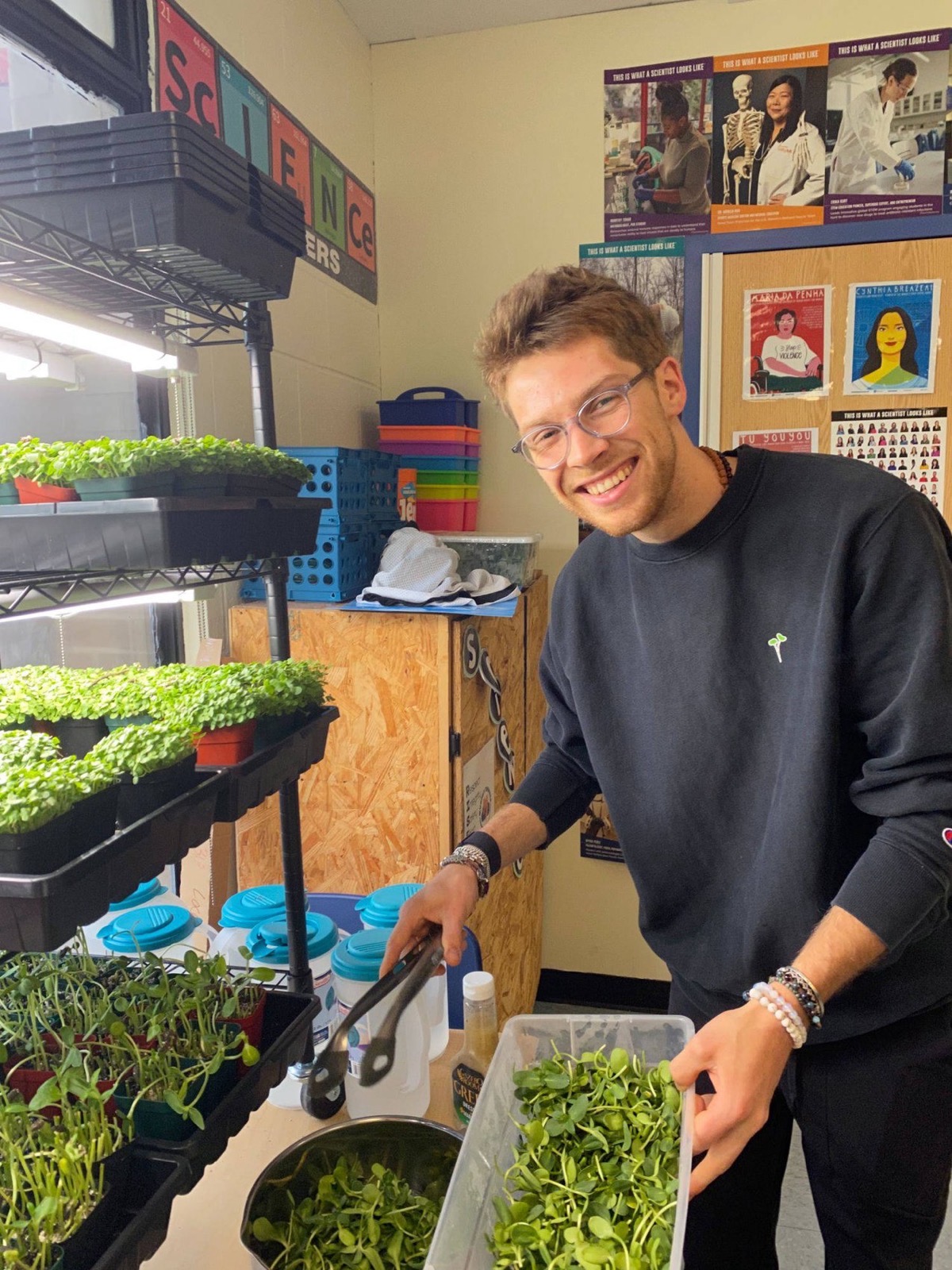
When I was young, maybe 8 or 10, I’d go out into my grandmother’s back yard at her home in Germany to pick berries. Visiting grandma was always such a delight, and in large part she had those berries to thank. There was something about picking something fresh, about handling the plant itself, that resonated with me deeply and first instilled a love of plants and real food.
Lo and behold, almost 20 years later I’m running a vertical farming business, that early love of greens having grown into a lifelong relationship with gardening and good food. Boston Microgreens has operated out of South Boston for 9 years and counting.
One day, thinking about my grandma Hilde, it occurred to me: why not shrink these racks down and give students the chance to grow something right in their own classroom? School gardens are a ton of work, and it’s winter through most of the school year anyway. I’m not trying to turn anyone into a farmer, but who knows what working with living plants might unlock in a student?
Oliver Homberg, Founder and Director
The Oldest Lesson There Is
Long before there were classrooms, people learned by growing food together. When a student plants a seed, checks on it each morning, and finally eats what they grew, something shifts. They’re not memorizing a food chain, they’re part of one.
And it rarely happens alone. A class plants together, tends together, and shares the harvest at the table. There’s a calm in caring for something alive, and a quiet pride in feeding the people around you. That’s the part that never shows up on a standards chart, and it may be the part that matters most.
We’re not only teaching plant science. We’re handing students back a connection to the earth, to their food, and to each other.
The Check-In is how that part finally shows up: private answers, before and after, about belonging and caring for something.
From A Garden Bed To 4,000 Students
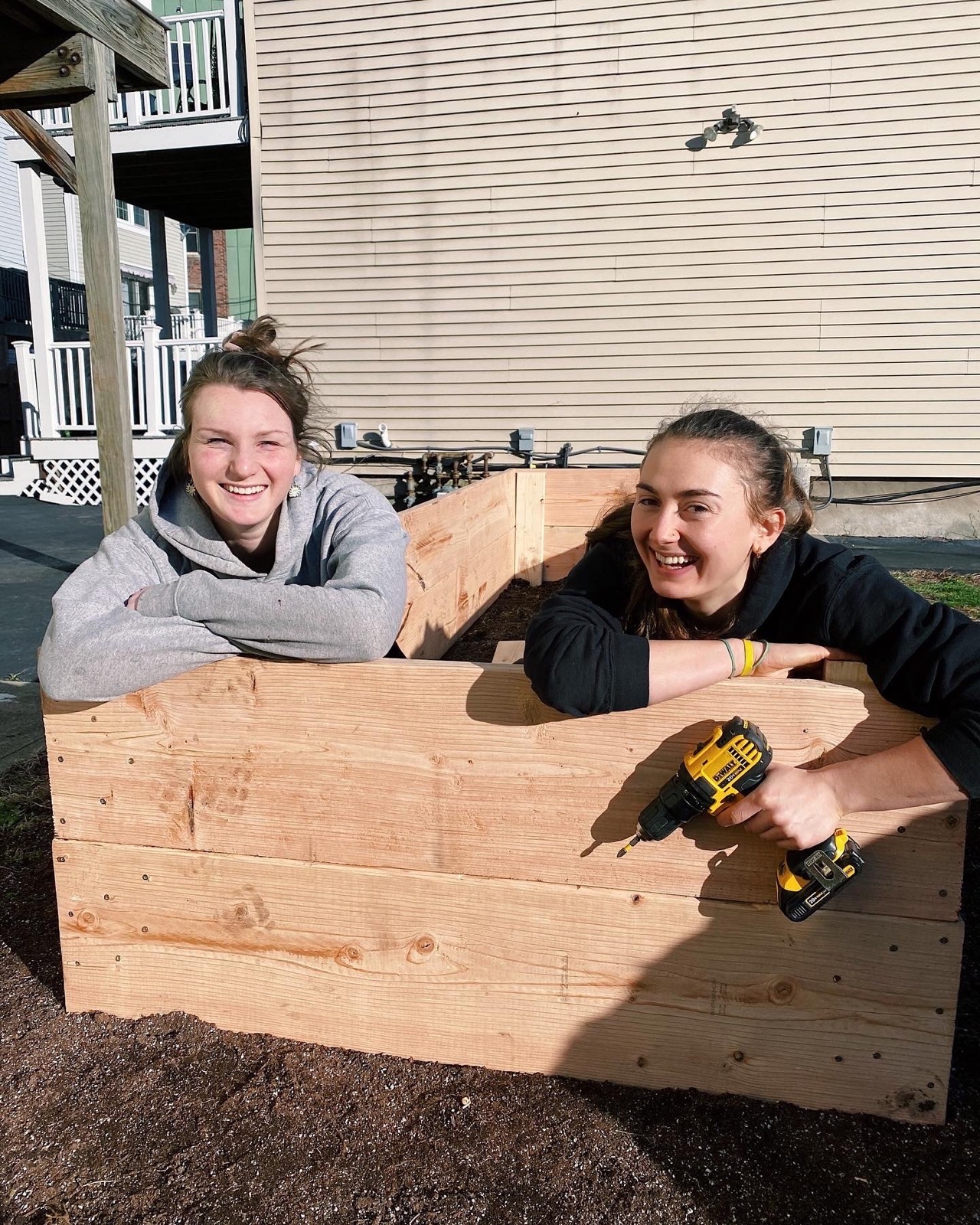
Our First Garden
We built raised beds on an unused lot at W 7th & D in South Boston.
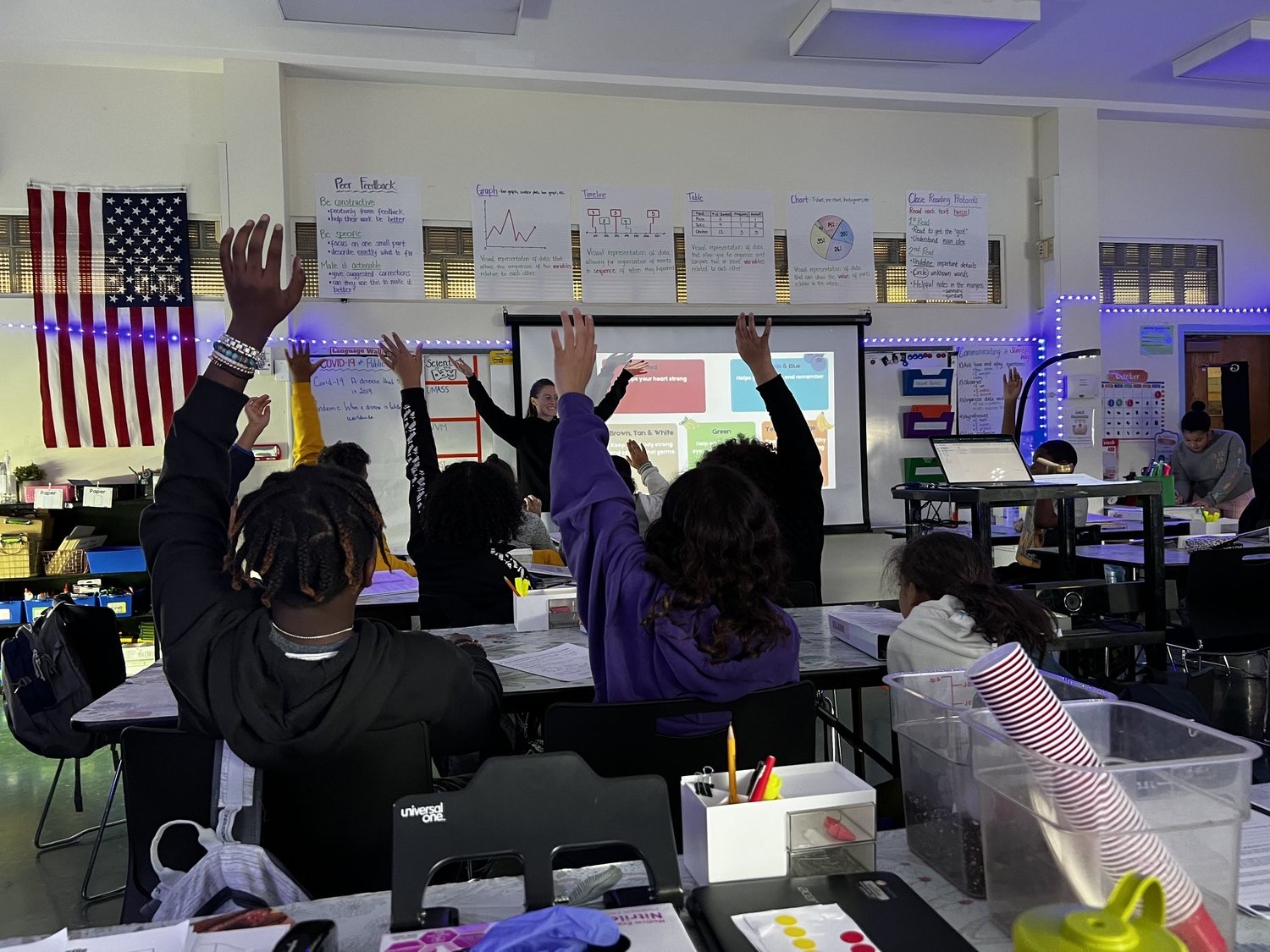
Into The Classroom
Our first in-school program, with 6th graders at the Paul A. Dever School.
A Revamped Curriculum
New hands-on lessons rolled out across South Boston, Dorchester, Mattapan and Brighton.
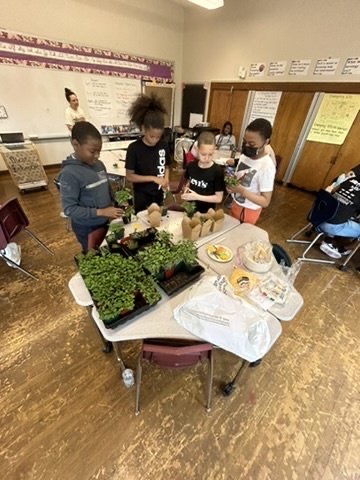
Teachers Take The Lead
Over 1,000 students in a semester, and our first classroom taught entirely by the teacher.
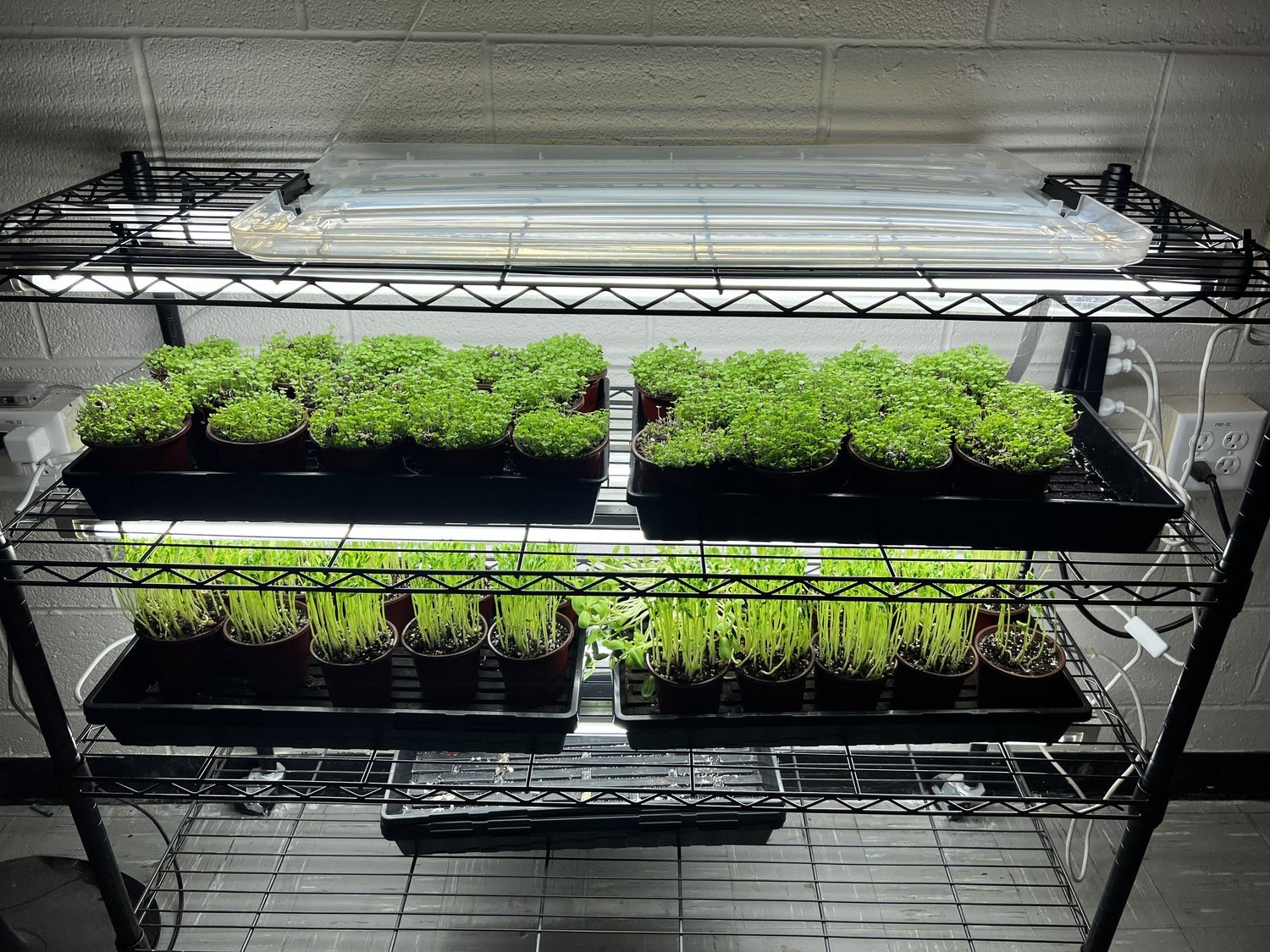
Schools That Have Grown With Us
Boston schools that have grown with us.
- Paul A. Dever School
- Richard J. Murphy K-8 School
- Thomas A. Edison K-8 School
- South Boston Catholic Academy
- Blackstone Elementary School
- Sarah Greenwood K-8 School
- Academy of the Pacific Rim
- Lilla G. Frederick Elementary School
- Samuel Adams Elementary School
- Sarah Roberts Elementary School
- Snowden International School at Copley
- Taylor Elementary School
Three Things We Care About
Self-Empowerment. Students build real confidence by growing something themselves, and carry that forward.
Sustainability. A tray of microgreens on a desk is a surprisingly good place to start the conversation about where food comes from.
Nutrition. Students who grow food eat it. We’ve watched vegetable-avoiders go back for thirds of something they planted.
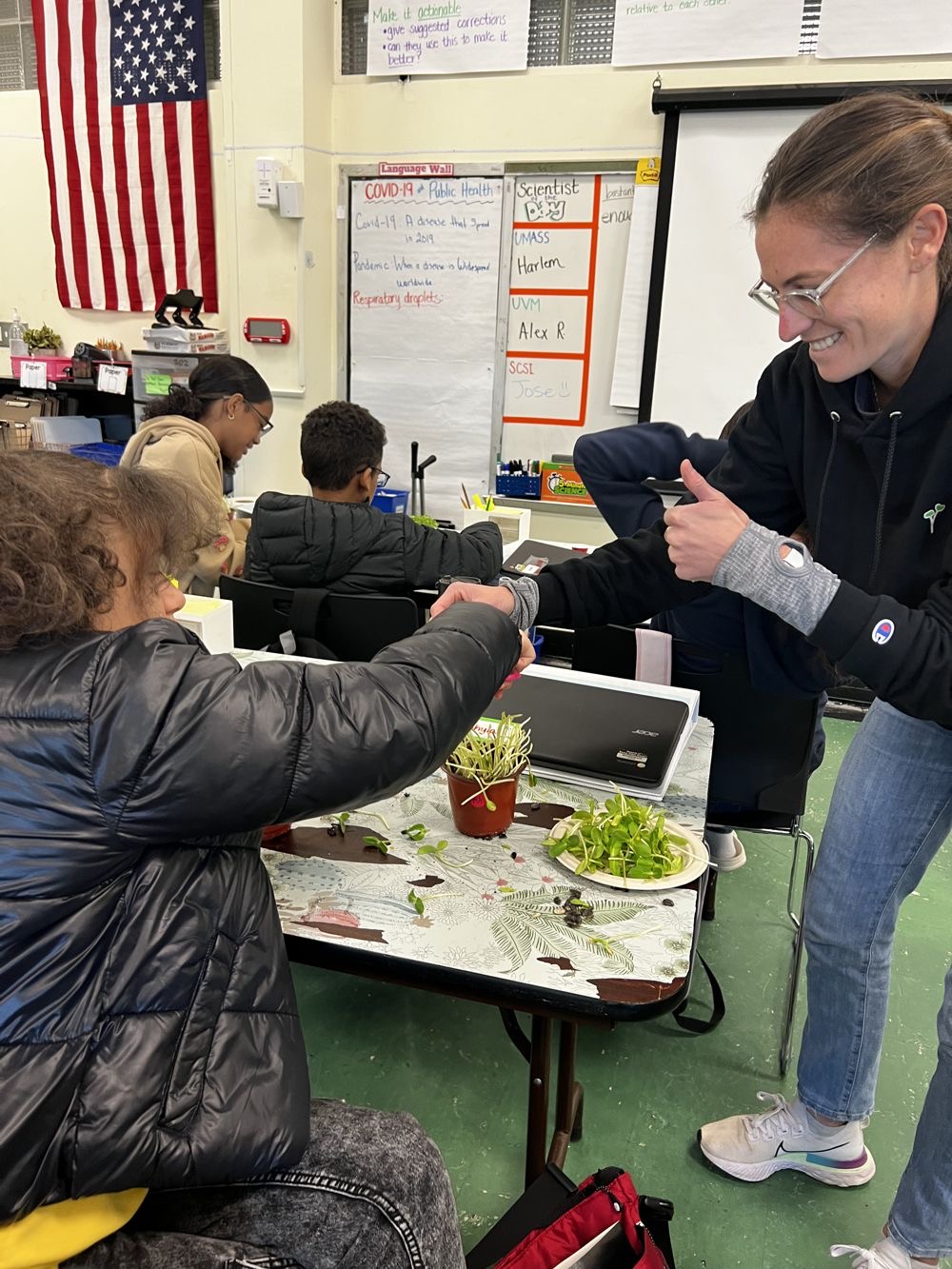
A Small Team Out Of Harvard, Tufts And Northeastern
Curriculum, nutrition, operations, and the founder behind every grow lab.

Oliver Homberg
Founder And Director
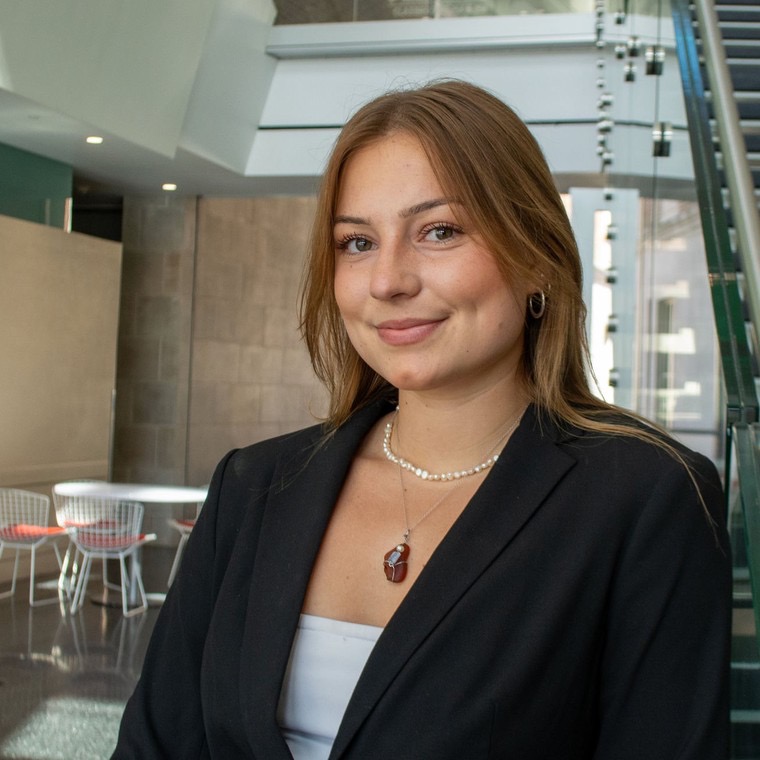
Adelaide Peat
Program Coordinator
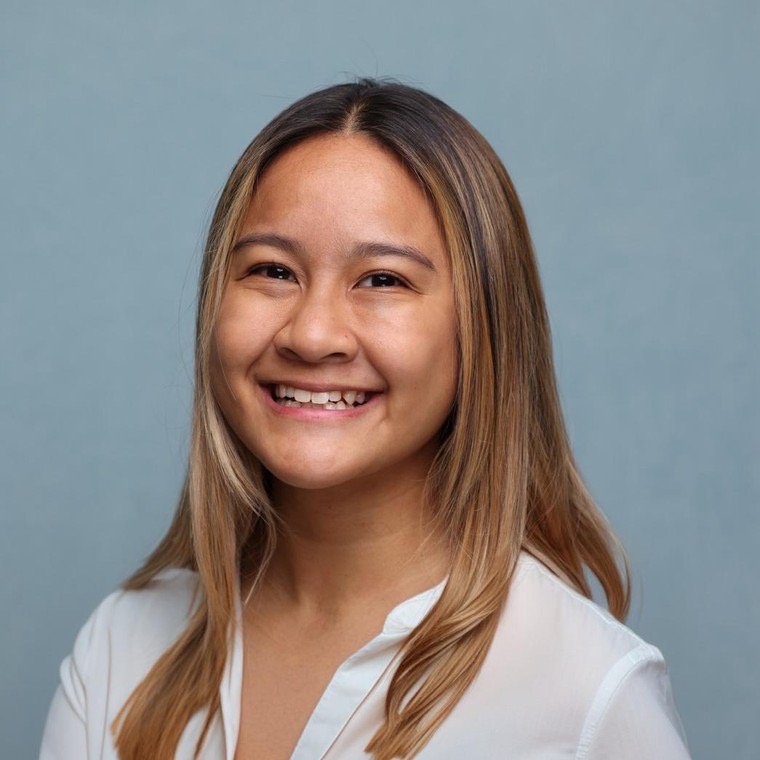
Patch Rawanghet
Curriculum Design
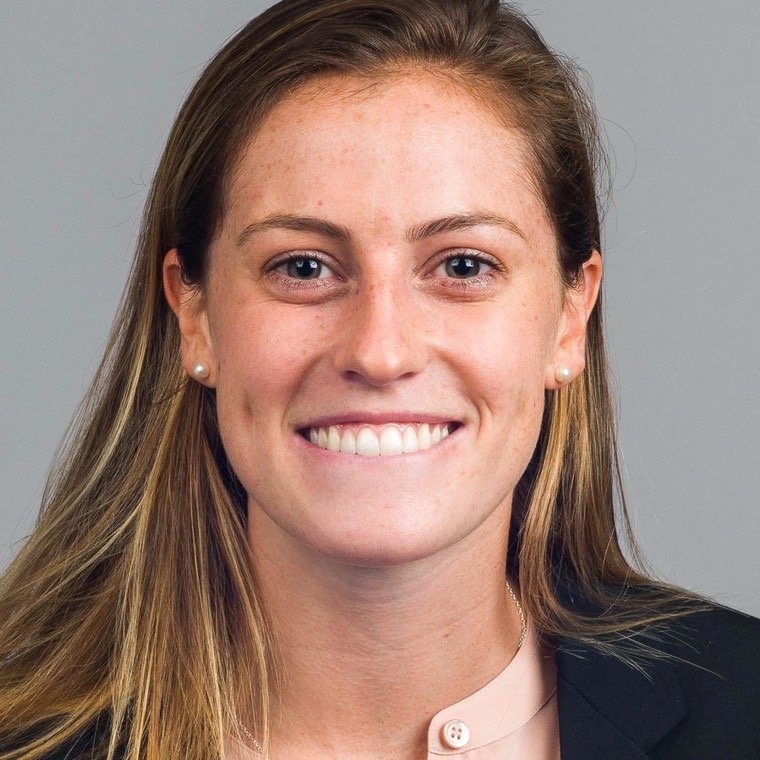
Maura Schwitter
Treasurer
A Model Built To Last
Boston Youth Farm Project is a registered 501(c)(3). We work alongside Boston Microgreens, one of the city’s largest indoor farms, so classrooms can visit to see the same growing process at commercial scale.
“If your plan is for one year, plant rice. If your plan is for ten years, plant trees. If your plan is for one hundred years, educate children.”
Confucius