Food And Nutrition · September 2026 · 5 min read
Why Microgreens (And Why Students Actually Eat Them)
Patch Rawanghet, Curriculum Design, BYFP
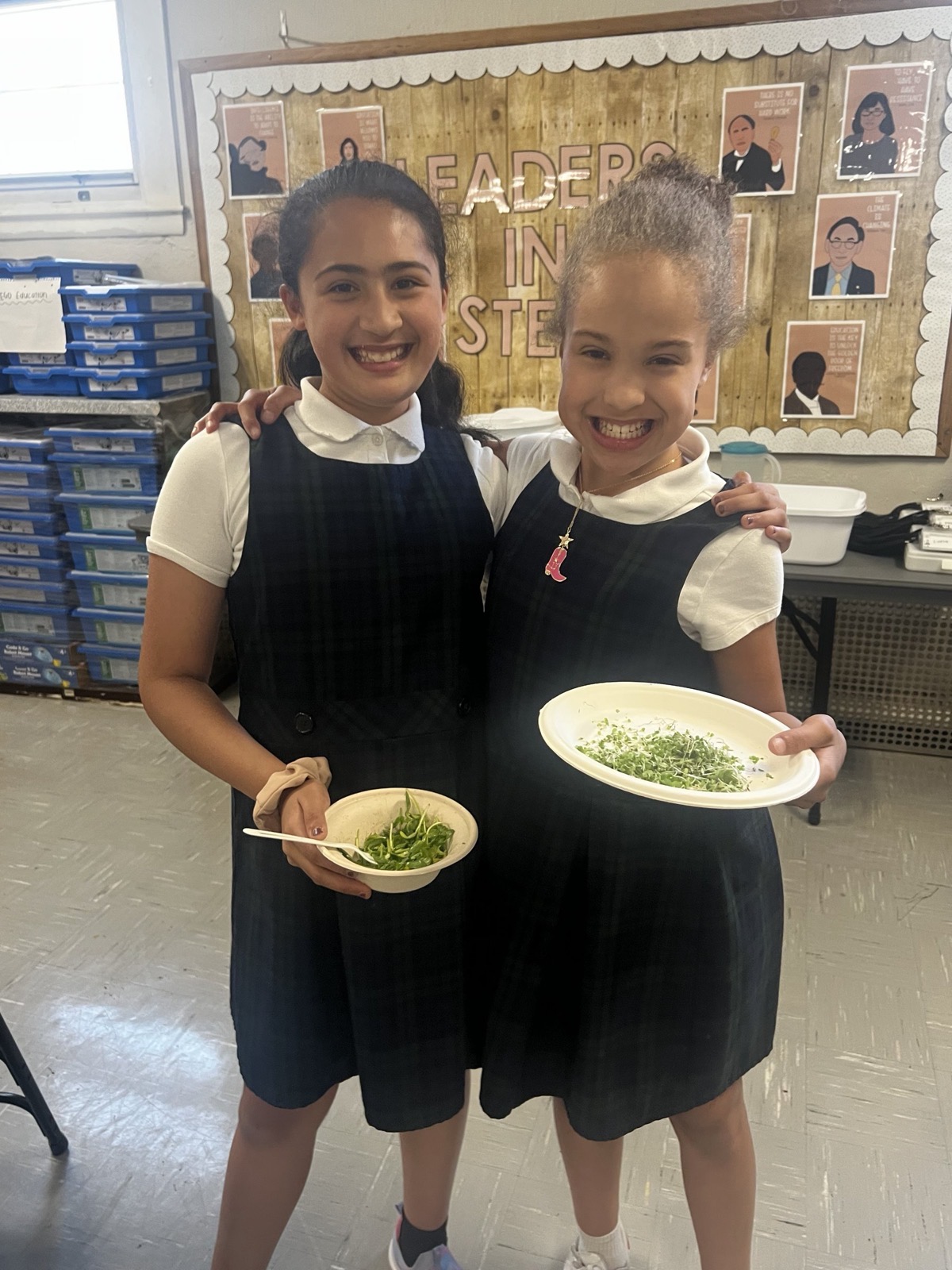
Students reach for chips over vegetables for a reason. Here’s why a pot of microgreens on a student’s desk changes that, from a coriander root that surprised me to a classroom of students asking for seconds.
If given the choice between chips and whole foods, children (and honestly, most adults) tend to steer toward chips or other processed foods, because those foods are loaded with ingredients that tap into the pleasure centers in our brains in ways fresh vegetables just don’t. Vegetables get a bad rep partly because they’re mostly bitter and don’t satisfy you the way chips do.
This summer, I was gifted coriander with the root still attached, instead of the rootless bunches I usually buy. I’d been looking for coriander roots for a Thai recipe. My gift came with twenty, more than I could cook, so I did some research and found you can actually grow coriander from the roots. I didn’t have high expectations, since I’d never grown anything before, so the moment mine actually sprouted, I was shocked. Now I get to eat my own homegrown coriander, and I still can’t quite believe I grew it myself.
I never thought I could grow anything, because my only experience with gardening was a shared plot back in school where everything was already set up for me. It took actually doing it myself to change that. That’s the belief we want students to have a lot earlier than I did: you don’t know you can grow something until you’ve grown something. Once a child believes that about themselves, trying a new food, liking it, and wanting more of it all gets a lot easier.
So the real question becomes: what’s the fastest way to hand our students that same moment? For us, the answer is microgreens. Oliver, our founder, started BYFP on that same belief, rooted in his own childhood picking berries in his grandmother’s back yard.
“Microgreens are especially practical for the classroom since they’re ready to harvest in only two or three weeks, letting students get to that “I am able to grow my own food and enjoy it” moment in a realistic period of time.”
Oliver Homberg, Founder
Microgreens also don’t need a whole garden or schoolyard, just a rack in the corner of a classroom. Every child gets their own pot, so it belongs to them individually. They hold up through Boston’s winter, growing just as well in January as in June under the LED lights, and they’re nutritious: a University of Maryland and USDA study found they can carry up to forty times the vitamins and antioxidants of their full-grown counterparts, depending on the crop.
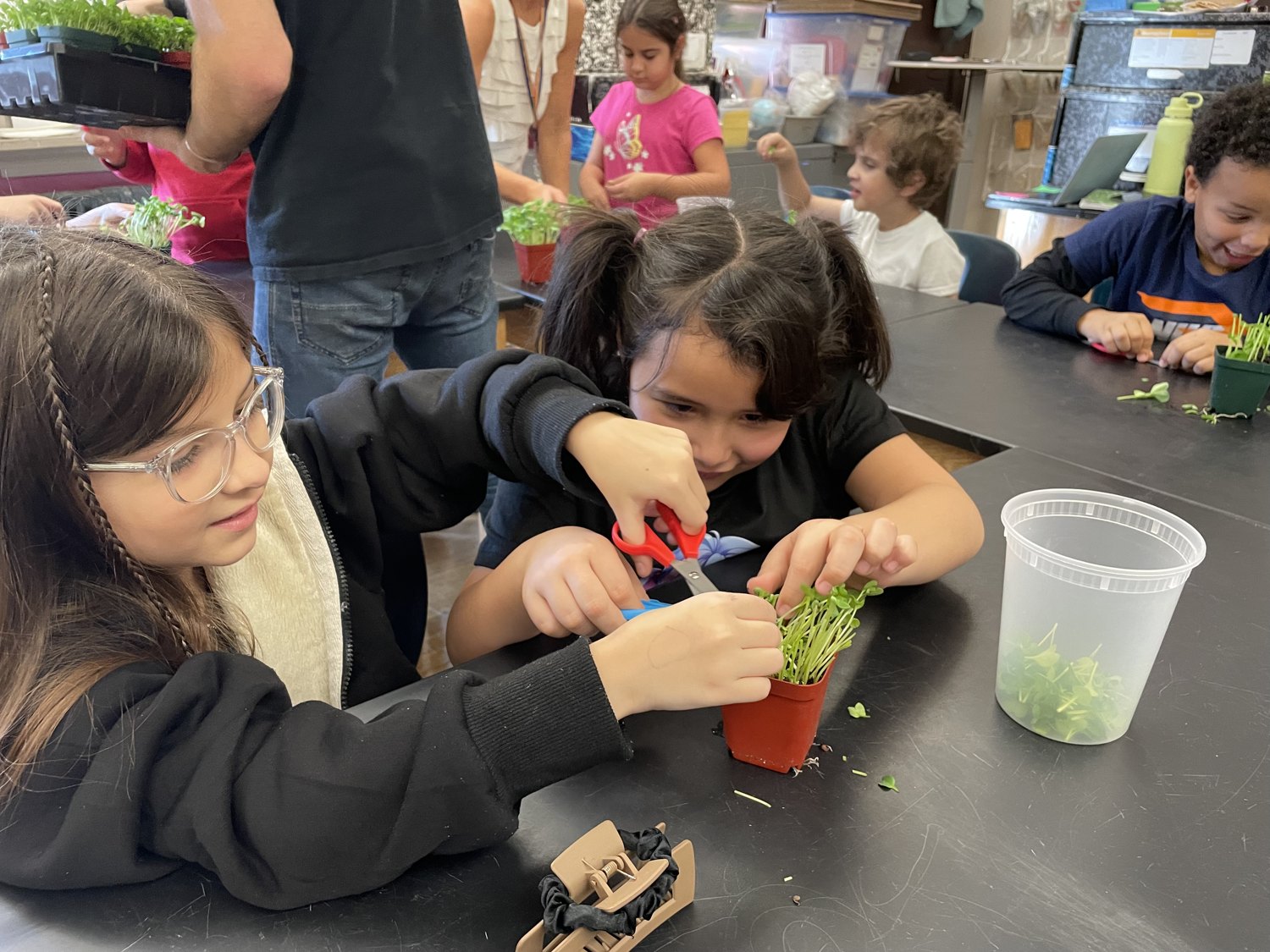
We love our microgreens, but we love what happens after our students grow them even more. Successfully raising a plant, like finishing a piece of artwork, makes them feel accomplished. They want to show it off, and they feel connected to their plants because it’s the product of their own hard work. They also know exactly where their food comes from, because they watched it happen: from seed, to plant, to something on their plate. That makes them a lot more inclined to actually eat it.
Children are prone to peer pressure (aren’t we adults, still, sometimes too?), and that works in our favor: seeing their friends growing and eating microgreens makes them want to join in. Hopefully it inspires some of them to grow microgreens at home and get creative with how they use them, adding them to sandwiches or throwing some on a plate for a dash of crunch and flavor.
This is where we complete the cycle: students learning about food through growing, and learning about growing through food. It fosters curiosity, ownership, better nutrition habits, and a connection with nature, through inspiration, fun and creativity, not fear-based messaging about diet and poor health.