Our Story · November 2026 · 7 min read
Planting Seeds On Both Sides Of The Classroom
Patch Rawanghet, Curriculum Design, BYFP
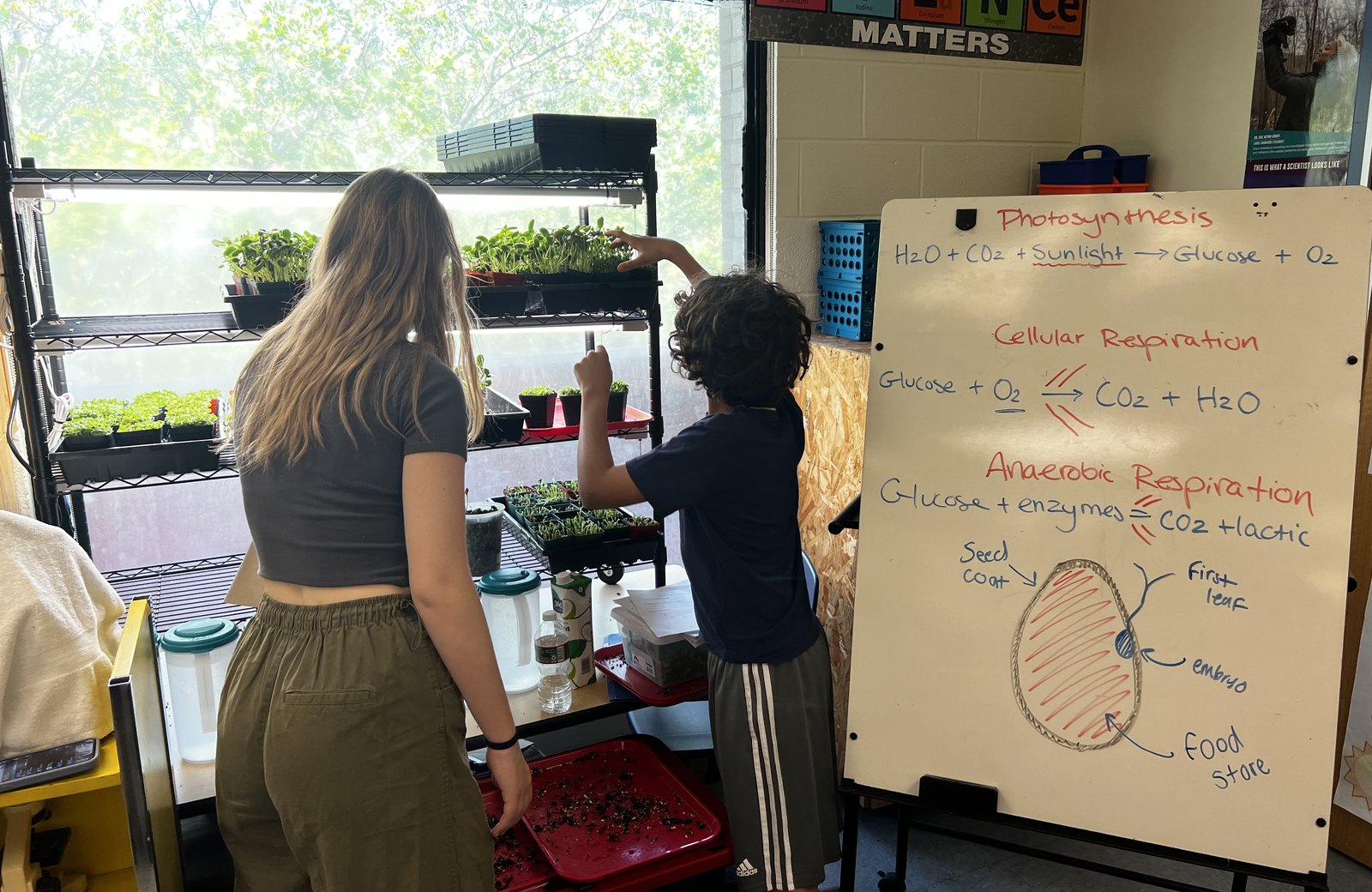
Our founder started by walking into classrooms himself, with a rack and a bag of soil. Four years on, here is why BYFP plants two seeds at once: one in the students, and one in the volunteers and teachers who grow right alongside them.
I sat down with our founder and asked a simple question: why do we exist? “We are here to plant one small seed in our students: curiosity, and an understanding of how food connects us to the world around us,” said Oliver, nearly tripping over the accumulating pile of boxes going out to schools next week. But let’s back up a bit.
It all started with Oliver walking into classrooms himself, with a rack and a bag of soil. “My experiences in my grandmother’s back yard as a child led to my passion for food and growing, and I wanted to share that with children in Boston.” As interest grew, we began training volunteers to lead the classrooms. Most of them had very little gardening experience, and they proved you don’t need a farmer in the room for this to work. We incorporated a 501(c)3 and ran the program like this for four years, with our own volunteers going into local schools. That small seed grew into something we couldn’t have imagined on the first day. We now have students who believe they can grow their own food, volunteers who can lead a classroom, and teachers who can give their students hands-on learning without wearing themselves out.
In volunteer-led classrooms, 96% of students are growing a vegetable for the very first time. On average, their willingness to try vegetables goes up by 34%, and 92% say they want to grow something at home. Most significant in our eyes is that every single one of our partner schools has asked us back. Hands-on learning, watching a seed sprout, eating greens you grew yourself: those are the moments that make teachers want us back in their classroom. Some students walk away realizing they actually like vegetables, and some don’t. That’s okay with us. What matters is that every student got the chance to try, and to make that decision for themselves.
“The program offers a tremendous experience for student growers, and our Boston volunteer base gets to live it right along with them.”
Oliver Homberg, Founder
BYFP volunteers usually arrive having never taught a class or grown a single vegetable. With us, they get to step into a real classroom and lead a science class. They also get a glimpse of what teaching really takes, which you don’t fully understand until you’ve tried to hold the attention of twenty-five fourth graders right after lunch.
Along the way, volunteers build leadership skills that are hard to pick up anywhere else. Explaining photosynthesis to nine-year-olds is public speaking at the highest level. When two students start fighting over seeds, that’s classroom management. Fitting every activity into one class period teaches time management, and deciding what to cut when you run short teaches prioritization. Plans change, too. A missing packet of radish seed or a sad-looking plant on the rack means making a call on the spot and adjusting, usually with a co-facilitator you met two weeks earlier. That’s where trust and teamwork come in. We hope volunteers walk out as better leaders and pass some of that on to the students they teach, while covering nutrition, where our food comes from, and how it all connects to a changing climate.
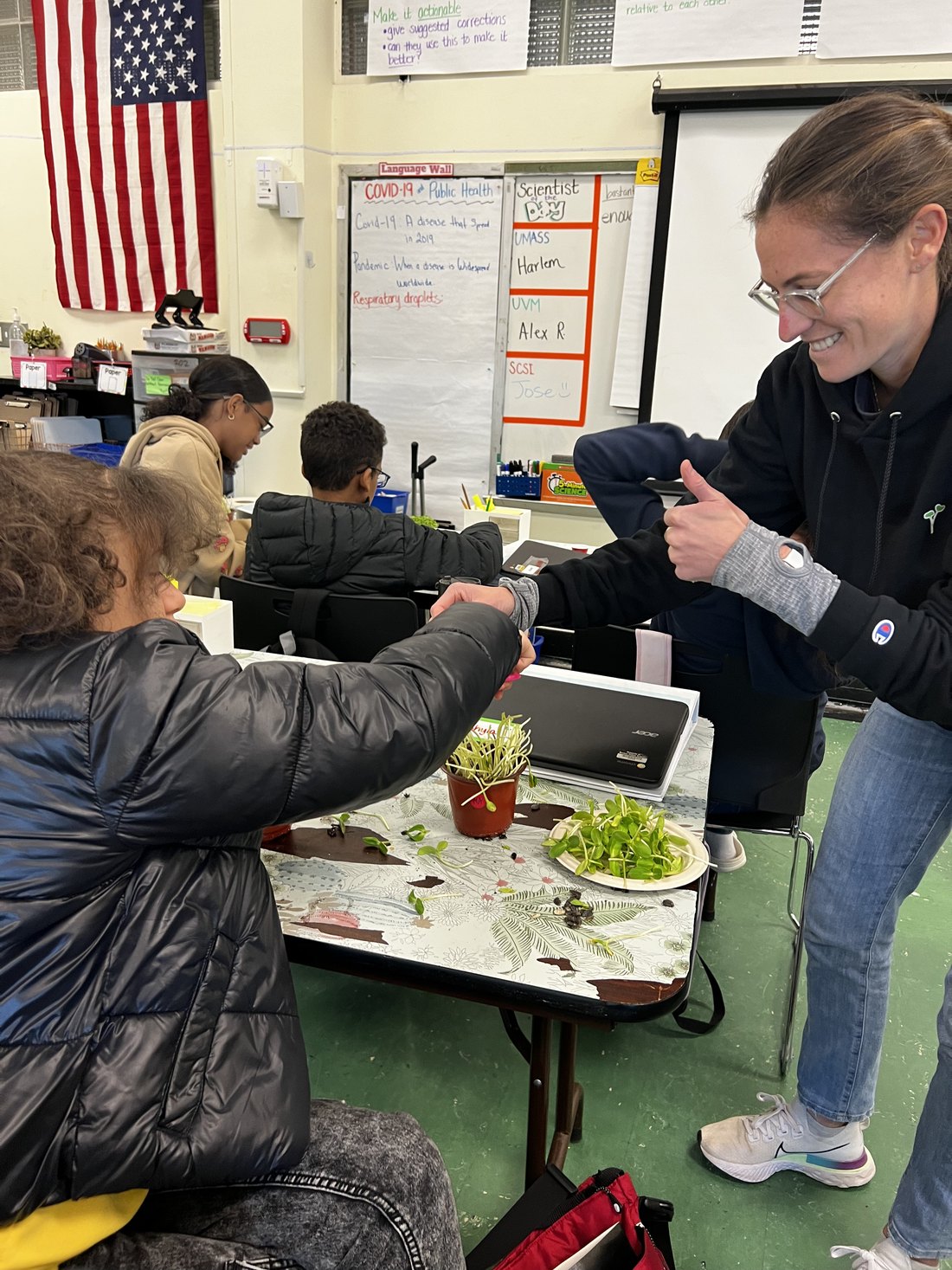
Now, after four years of running the program with our own volunteers in Boston, we’re taking the next step: packing everything into a kit and trusting teachers across the state to run it in their own classrooms, as flexibly as they want, with us there to support them.
Between my master’s in education and my time at an EdTech venture fund, I’ve seen plenty of innovations that make education better. Some help students learn and some help teachers do their jobs, but sometimes, without meaning to, they end up adding more to a teacher’s plate. At BYFP, we want to take something off of it.
“School teachers are the other heart of this story, and the people the program is mindfully designed for.”
Oliver Homberg, Founder
We do the planning so teachers don’t have to, and we make it as easy as possible to get started. We send everything they need, from the rack, lights and timer to the soil, seeds and instructions, with plenty of live support along the way. Our hope is that any teacher can make it work, even one who has never planted before. Our online lesson planner lets teachers quickly put together a curriculum from pre-set activities, based on their needs and the time they have. The activities line up with the Massachusetts science and health frameworks, so the four weeks count toward lessons they already have to teach. If a week gets away from them, they can skip an activity and just focus on planting.
Every classroom is different, so we work with teachers to figure out what they actually need. That matters even more now that we’re growing. We want to reach classrooms beyond Massachusetts, so we pack it all into a kit: the rack, LED lights on a timer, trays, soil and seed, our curriculum builder, and an evaluation and reporting system for school districts.
“Most of all, they loved to eat the microgreens. I wish we had more of these experiences for more students.”
Sook Yeo, Science Teacher, Edison K-8 School
We’d love to plant that seed in more classrooms. If you want to volunteer, or bring a grow lab into your own room, we’re just a click away.