Wellness And Belonging · August 2026 · 6 min read
Belonging And The Classroom Grow Lab
Patch Rawanghet, Curriculum Design, BYFP
Belonging is on every district priority list, but it’s easier to gesture at than to teach. Here’s what it actually is, the research behind it, and why a seed on a student’s desk turns out to teach patience, responsibility and care.
As part of our master’s program at Harvard’s Graduate School of Education, Oliver (BYFP’s founder) and I spent a semester on social and emotional learning: what it actually is, and how it shows up in a classroom. It is a big buzzword in schools right now. It sits on most district priority lists, but it’s far easier to gesture at than it is to actually teach.
At its core, it is the set of social, emotional, behavioral and character skills students need to live, work, learn and make decisions alongside other people. The case for teaching it is strong. A 2011 meta-analysis led by psychologist Joseph Durlak, covering 213 school-based programs and more than 270,000 students, found that those who received the programming showed less aggression, stronger social skills, and an eleven-percentile-point gain in academic achievement compared with peers who didn’t.
That semester, we learned how Harvard’s EASEL Lab breaks it into three parts. Cognitive regulation is whether a student can set a goal and stick with it, even when it stops being fun. Emotional processes are whether they can recognize what they’re feeling and handle it. Social and interpersonal skills are whether they can build real relationships and feel like part of something bigger than themselves.
What’s not surprising is that it is best taught through real experience, not from a textbook. Almost twenty years ago, at a scout camp in rural Thailand, I was around ten, and my small group was told to cook our own dinner. We had to work together, make a plan, pivot when it fell apart, trust each other, and stay patient while the rice cooked. The meal didn’t come out perfect, but by the end we felt like we were part of something bigger than ourselves. That’s exactly why I believe in hands-on learning, and why BYFP is built the way it is.
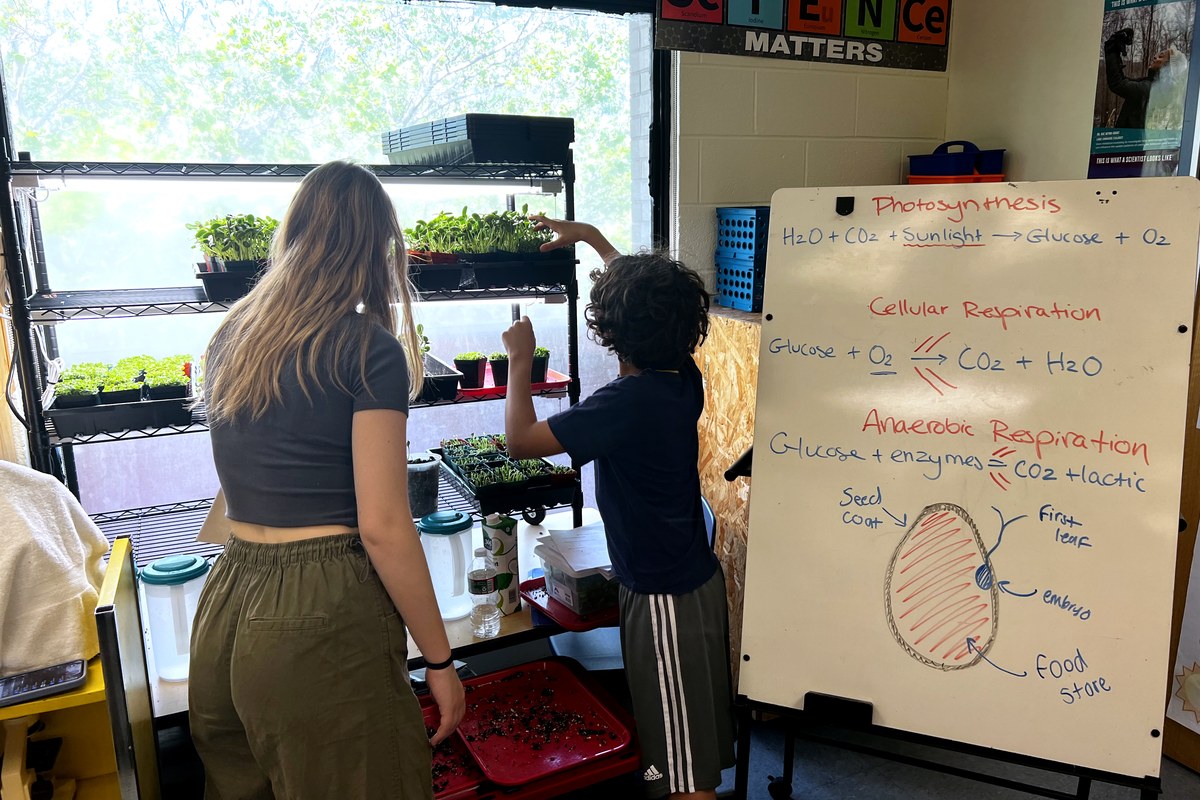
Rather than treating it as a separate unit, we build it into specific activities with real structure behind them. In “Eating and Emotions,” students connect eating with the feelings they bring to it. In “Gratitude Round,” each student names something they’re grateful for. In “Letter to a Future Grower,” students reflect on their own learning so they can pass a few tips on to the next class of growers.
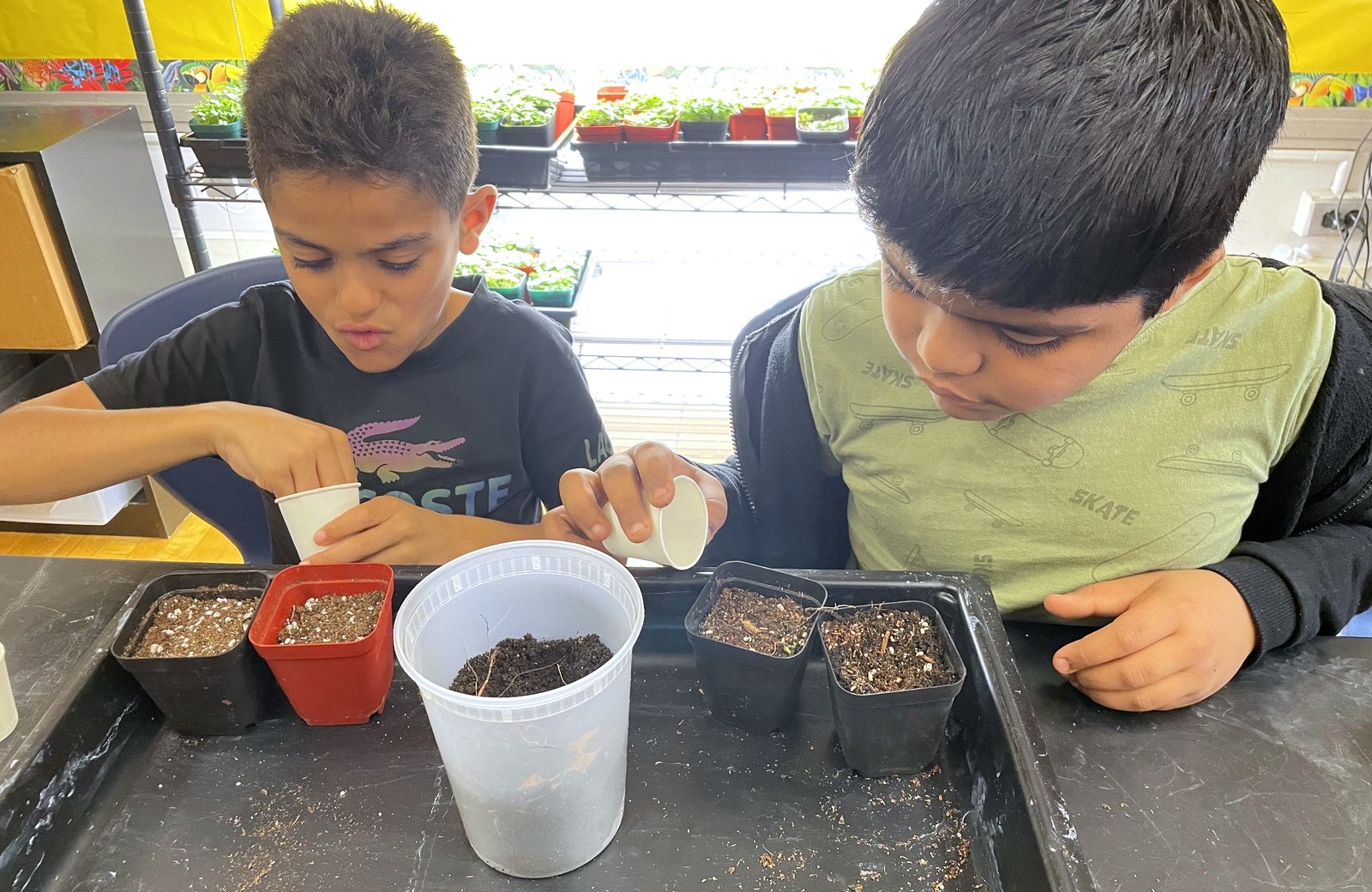
But something more profound comes from tending the plants together as a community. You take a seed, settle it into the soil, care for it as a group, learn how it works, and slowly, patiently, watch it grow. A search engine can hand you a week of research in under a minute, but nothing can make a seed grow any faster. A plant is a patient teacher of responsibility: if you don’t take care of it, it won’t grow, and no excuse changes that.
Plants also need real, individual attention. One needs more water, another more light, and the only way to know is to pay attention to what it’s trying to tell you. People aren’t so different. In the end, a seed on a child’s desk teaches more than science. It teaches patience and responsibility, a felt connection to the living world, and how to be a caring person within it.