
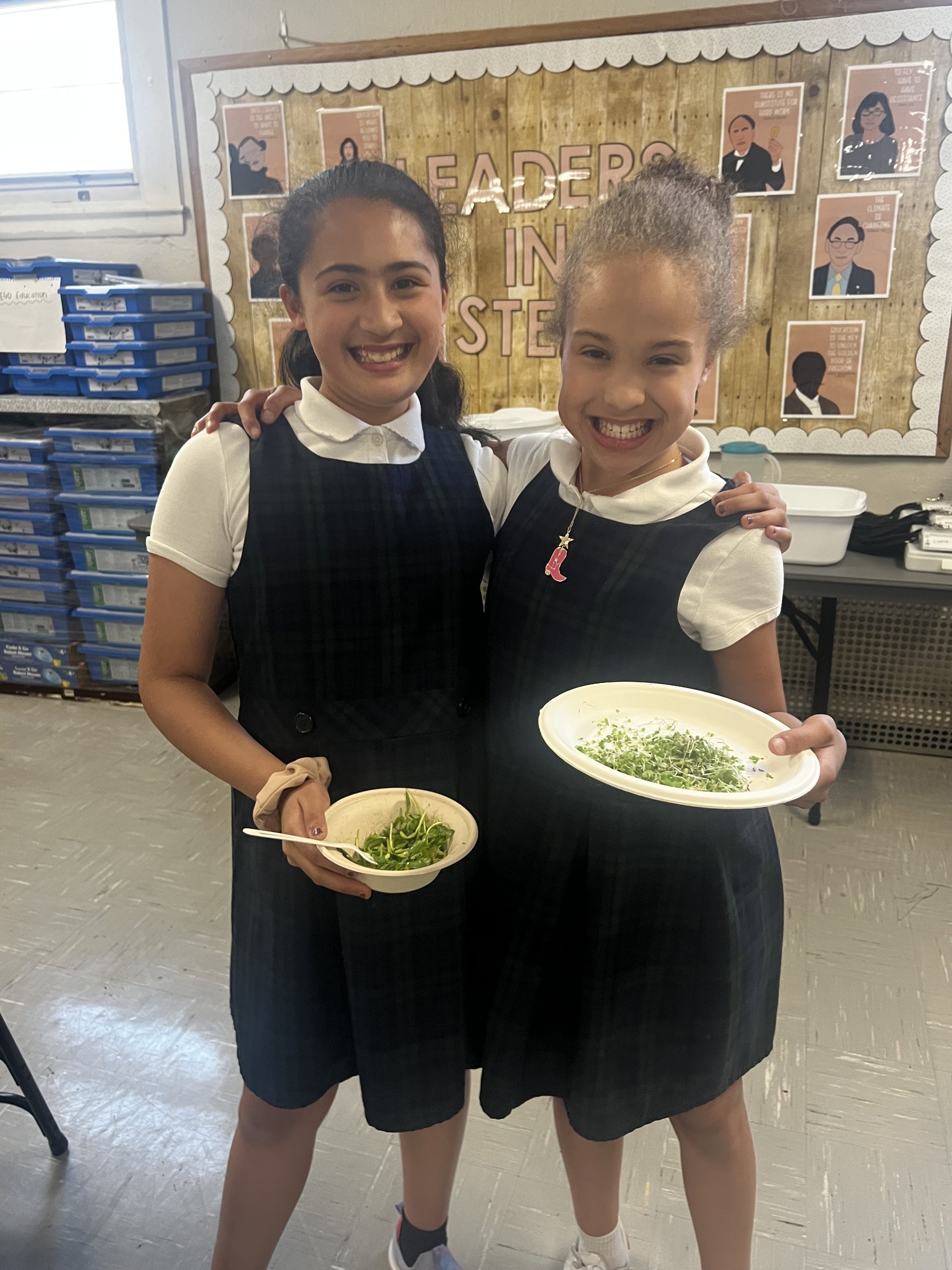
If given the choice between chips and whole foods, kids (and honestly, most adults) tend to steer toward chips or other processed foods, because those foods are loaded with ingredients that tap into the pleasure centers in our brains in ways fresh vegetables just don’t. Vegetables get a bad rep partly because they’re mostly bitter and don’t satisfy you the way chips do.
This summer, I was gifted coriander with the root still attached, instead of the rootless bunches I usually buy from the supermarket. I’d been looking for coriander roots for a Thai recipe I wanted to make. In Thailand, I would buy two or three roots at a time, but my gift came with 20. I couldn’t cook all of them, so I did some research and found that you can actually grow coriander from the roots. I didn’t have high expectations, since I’d never grown anything before, so the moment mine actually sprouted, I was shocked. Now I get to eat my own homegrown coriander, and I still can’t quite believe I grew it myself.
I never thought I could grow anything, because my only experience with gardening was a shared plot back in school where everything was already set up for me. In our school garden we shared all responsibilities, so I did not think my input mattered. It took actually doing it myself to change that. That’s the belief we want students to have a lot earlier than I did: you don’t know you can grow something until you’ve grown something. Once a child believes that about themselves, trying a new food, liking it, and wanting more of it all gets a lot easier.
So the real question becomes what’s the fastest way to hand our students that same moment. For us, the answer is microgreens. Oliver, our founder, started BYFP based on that same belief, and rooted in his own childhood experience picking berries in his grandmother’s back yard. He runs a successful microgreens company, and it gave him the idea that microgreens were the perfect way to plant that belief in students. “Microgreens are especially practical for the classroom setting since they’re ready to harvest in only two or three weeks, allowing students to get to that ‘I am able to grow my own food and enjoy it’ moment in a realistic period of time,” says Oliver.
Microgreens also don’t need a whole garden or schoolyard, just a rack in the corner of a classroom. Every child gets their own pot, so it belongs to them individually rather than the whole campus. They hold up through the winter too, including Boston’s, growing just as well in January as in June, due to the LED lights on the indoor grow kit. And on top of all that, they’re nutritious: a University of Maryland and USDA study found they can carry up to 40 times the vitamins and antioxidants of their full-grown counterparts, depending on the crop.
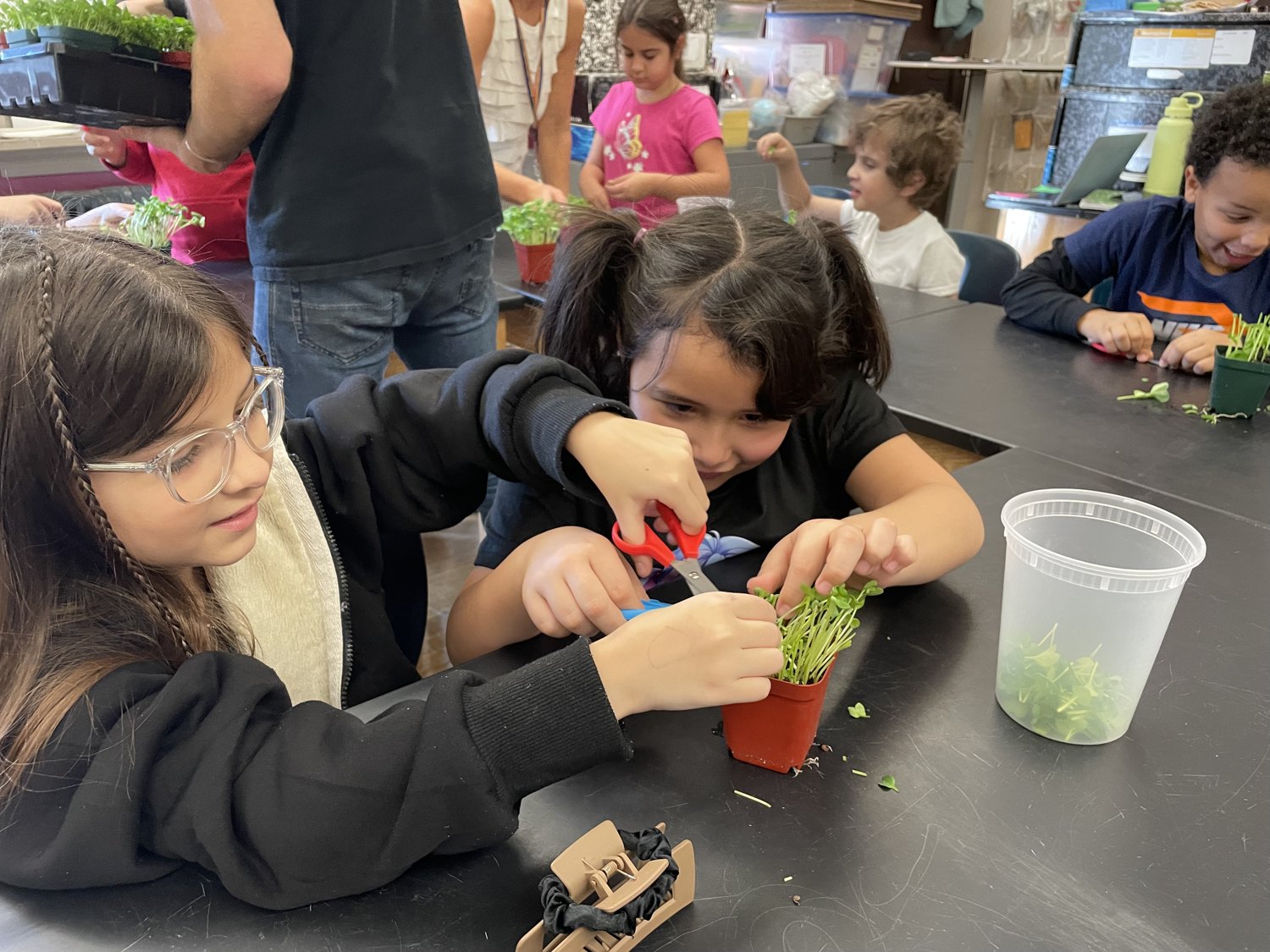
We love our microgreens, but we love what happens after our students grow them even more.
Successfully raising a plant, like finishing a piece of artwork, makes them feel accomplished. They want to show it off, and they feel connected to their plants because it’s the product of their own hard work. It’s not just healthy, either. They know exactly where their food comes from, because they watched it happen: from seed, to plant, to something on their plate. That makes them a lot more inclined to actually eat it.
Children are prone to peer pressure. (Aren’t we adults still sometimes too?) That works in our favor because seeing their friends growing and eating microgreens makes them want to join in too. And hopefully, it inspires some of them to grow microgreens at home and get creative with how they use them, adding them to sandwiches or throwing some on any plate for a dash of crunch and flavor.
This is where we complete the cycle: students learning about food through growing, and learning about growing through food. It fosters curiosity, ownership, better nutrition habits, and a connection with nature. We hope to empower students to make changes through inspiration, fun, and creativity, not through fear-based messaging about diet and poor health.