
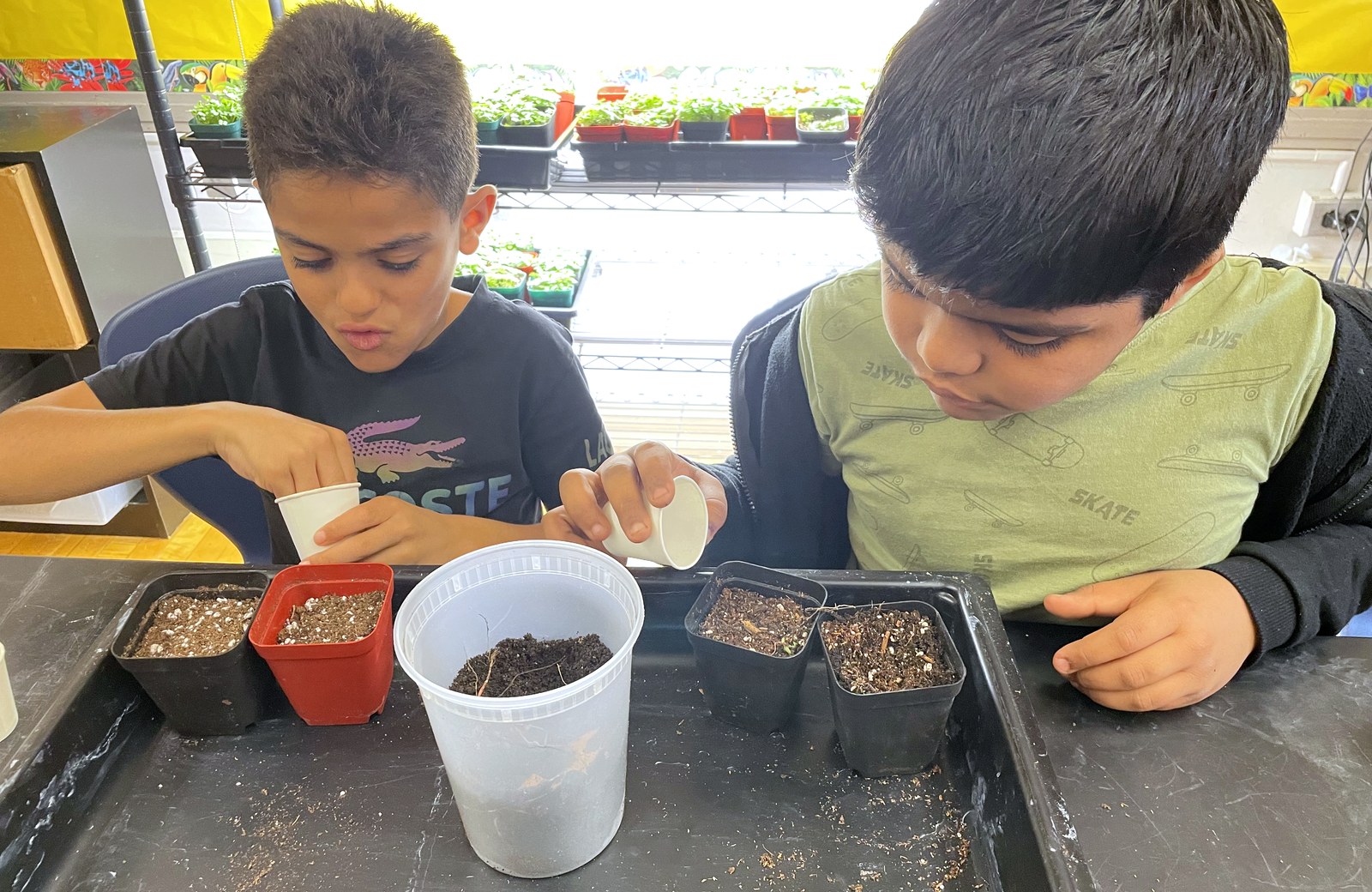
As part of our master’s program at Harvard’s Graduate School of Education, Oliver (BYFP’s founder) and I spent a semester on social-emotional learning (SEL): what it actually is, and how it shows up in a classroom. SEL is a big buzzword in schools right now. It sits on most district priority lists, but it’s far easier to gesture at than it is to actually teach. So what is it, and how do students really build it? At its core, SEL is the set of social, emotional, behavioral, and character skills kids need to live, work, learn, and make decisions alongside other people.
The case for teaching it is strong. A 2011 meta-analysis led by psychologist Joseph Durlak, covering 213 school-based SEL programs and more than 270,000 students, found that kids who received SEL programming showed less aggression, stronger social skills, and an 11-percentile-point gain in academic achievement compared with peers who didn’t. Longer-term studies tie those same skills to better mental health and more positive behavior years down the road. So the real question isn’t whether we want SEL in classrooms. It’s how to teach it well.
That semester, we learned how Harvard’s EASEL Lab (Ecological Approaches to Social Emotional Learning) breaks SEL into three parts. Cognitive regulation is whether a kid can set a goal and stick with it, even when it stops being fun. Emotional processes are whether they can recognize what they’re feeling and handle it. Social and interpersonal skills are whether they can build real relationships and feel like part of something bigger than themselves. Breaking it down this way makes it much easier to tell whether a lesson is actually building SEL, or just talking about it.
What’s not surprising is that SEL is best taught through real experience, not from a textbook. One memory of my own still sticks with me. Almost twenty years ago, at a scout camp in rural Thailand, I was around ten, and my small group was told to cook our own dinner. We had to work together, make a plan, and pivot when the plan fell apart. We had to trust each other to carry our own parts. We had to be patient while the rice cooked and stay steady through all of our distractions. The meal didn’t come out perfect, but by the end we felt like we were part of something bigger than ourselves. Cooking that dinner touched all three parts of the SEL framework at once. That’s exactly why I believe in hands-on learning, and it’s why BYFP is built the way it is.
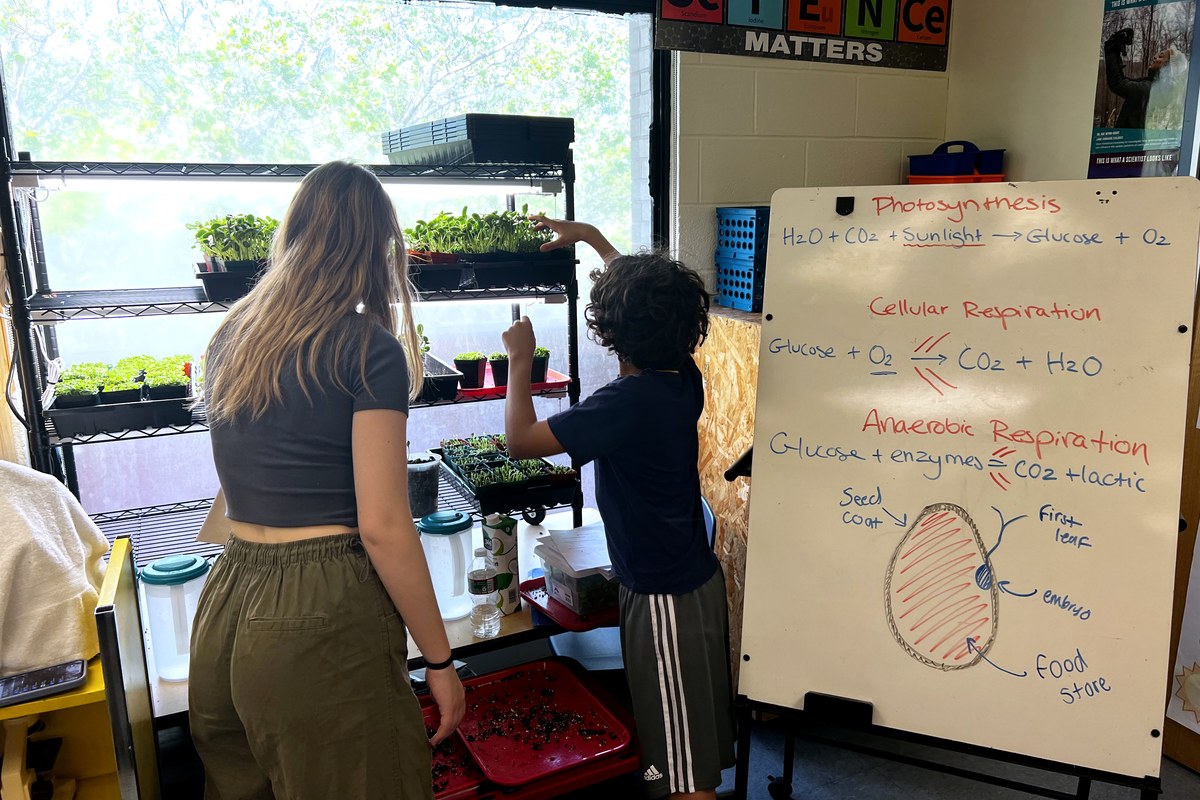
Rather than treating SEL as a separate unit, we build it into specific activities with real structure behind them. In “Eating and Emotions,” students connect the act of eating with the feelings they bring to it, and the feelings it brings up, so they can notice how those emotions rise and shift, and begin to manage them instead of eating right past them. In “Gratitude Round,” each student names something they’re grateful for: something they learned, something someone did for them, or just a feeling they noticed. It’s a small habit, but it adds up. In “Letter to a Future Grower,” students reflect on their own learning so they can pass a few useful tips on to the next class of growers.
As helpful as those activities are, something more profound comes from tending the plants together as a community. We believe growing food can give students the same kind of benefit my camp dinner gave me all those years ago. You take a seed, settle it into the soil, care for it as a group, learn how it works, and slowly, patiently, watch it grow. There’s a real satisfaction in starting something and seeing it all the way through, especially now, when everything else moves so fast. AI can hand you a week of research in under a minute, but it can’t make a seed grow any faster. A plant is a patient teacher of responsibility: if you don’t take care of it, it won’t grow, and no excuse changes that.
Plants also need real, individual attention. There’s no single recipe that works for all of them. One needs more water, another needs more light, and the only way to know is to pay attention to what it’s trying to tell you. People aren’t so different. At BYFP, we think that tending a plant slowly grounds kids in exactly that skill: reading what someone else needs, adjusting for it, and offering that same care to each other. In the end, a seed on a child’s desk teaches more than science. It teaches patience and responsibility, a felt connection to the living world, and how to be a caring person within it.