Fall 2026 classrooms are now booking, reserve a grow lab for your students
I'm here as a…

Real science your students can hold in their hands.

An indoor grow lab and a modifiable four-week curriculum written to your standards, with all the materials you need delivered.

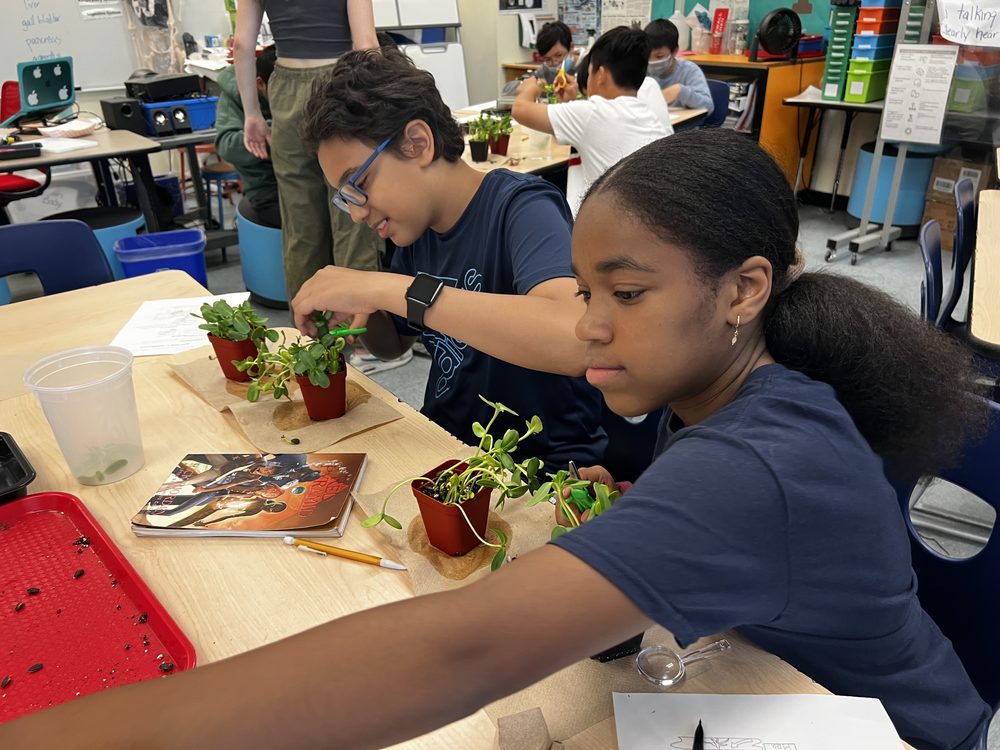
A Boston student harvesting a sunflower microgreen she grew herself
As featured on Northeastern Global News and Boston 25 News  ·  Watch the feature →  ·  In 16 Boston schools and counting
A quick welcome

Watch the 90-second intro

Oliver walks you through what a BYFP grow lab brings to your classroom.

Welcome to Boston Youth Farm Project
How it works

Four weeks from seed to salad

Week 1 · Plant kale

It all starts with a seed!

Students plant their first tray of kale and discover how a tiny seed holds a whole plant.

Week 2 · Plant arugula

Food is fuel

Students plant arugula and start exploring where their food comes from, and what it does for their bodies.

Week 3 · Plant radish

Where does food come from?

Students plant radish and trace their food back to its source, thinking in systems.

Week 4 · Harvest day!

Taste & reflect

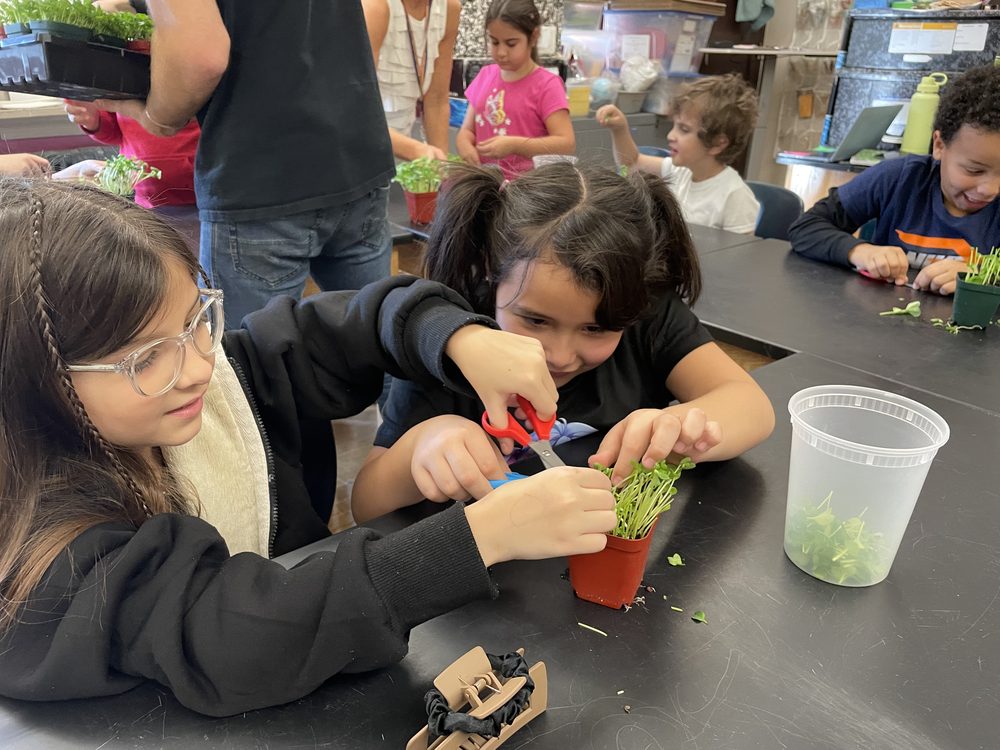
Out come the scissors. Students harvest, taste and reflect on the whole journey together.

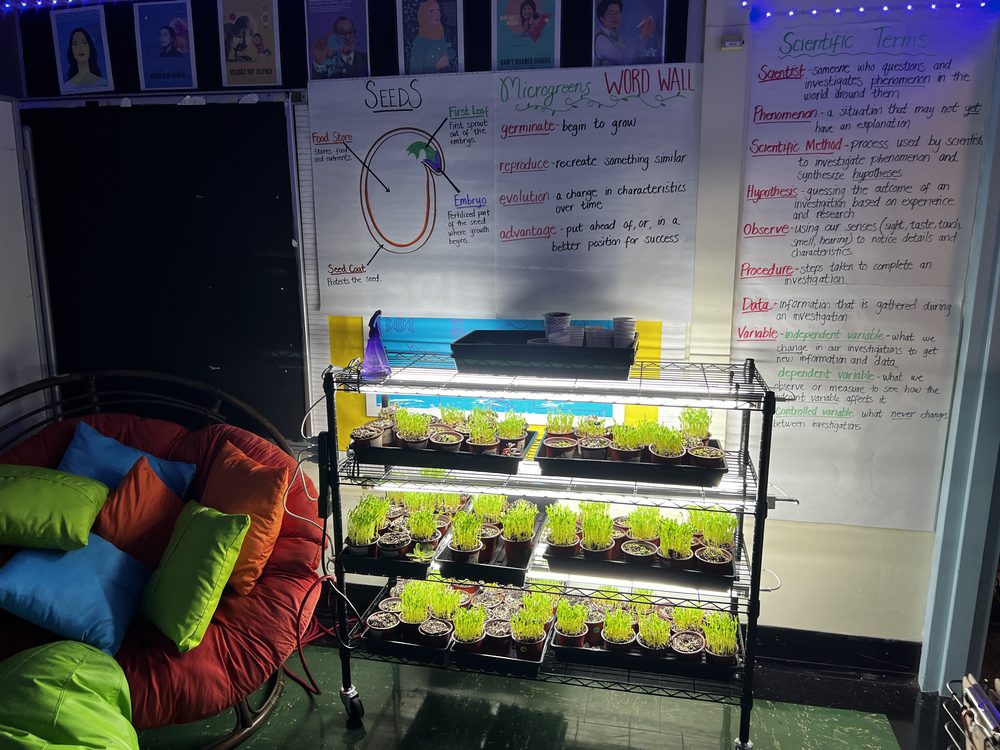
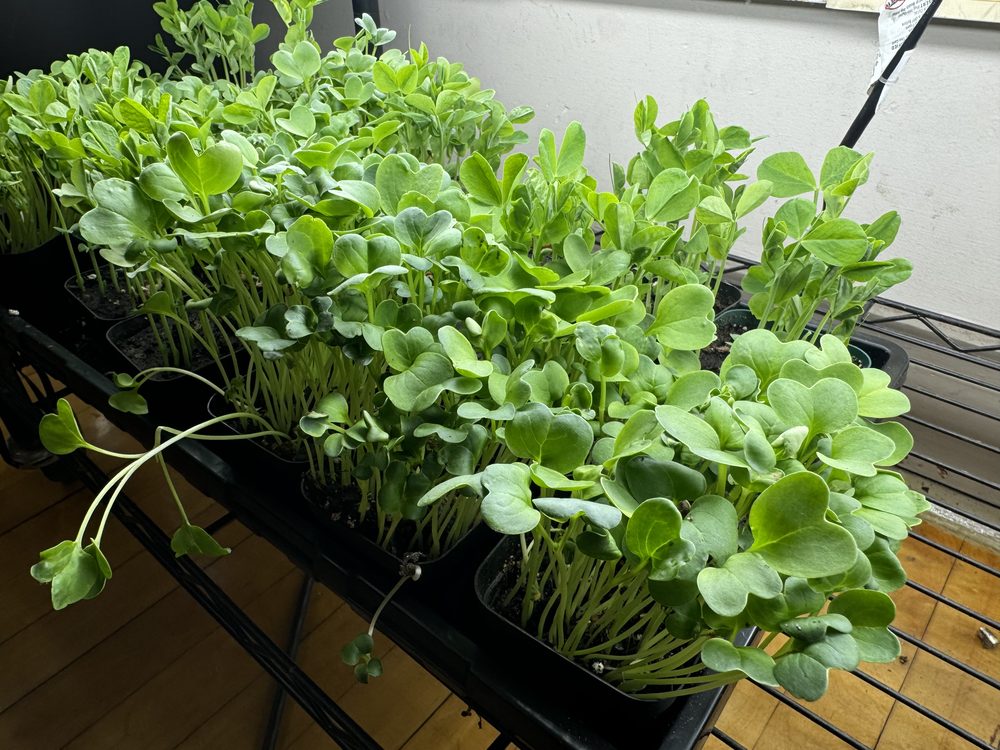
A BYFP grow lab packed with vibrant microgreens under lights in a Boston classroom
84 students · 1 rack
What you get

Everything a classroom needs, in one box

  • The grow lab: rack, grow lights, trays and timer
  • Seeds and growing medium for up to 84 students
  • Simple setup: delivered to your door with a step-by-step guide and video
  • A standards-aligned curriculum: free and ready on our site
  • A real person to call or email when you have a question
Simple guided setup, tiny footprint, minimal training.
For your grade levels

As simple or as deep
as your students are ready for

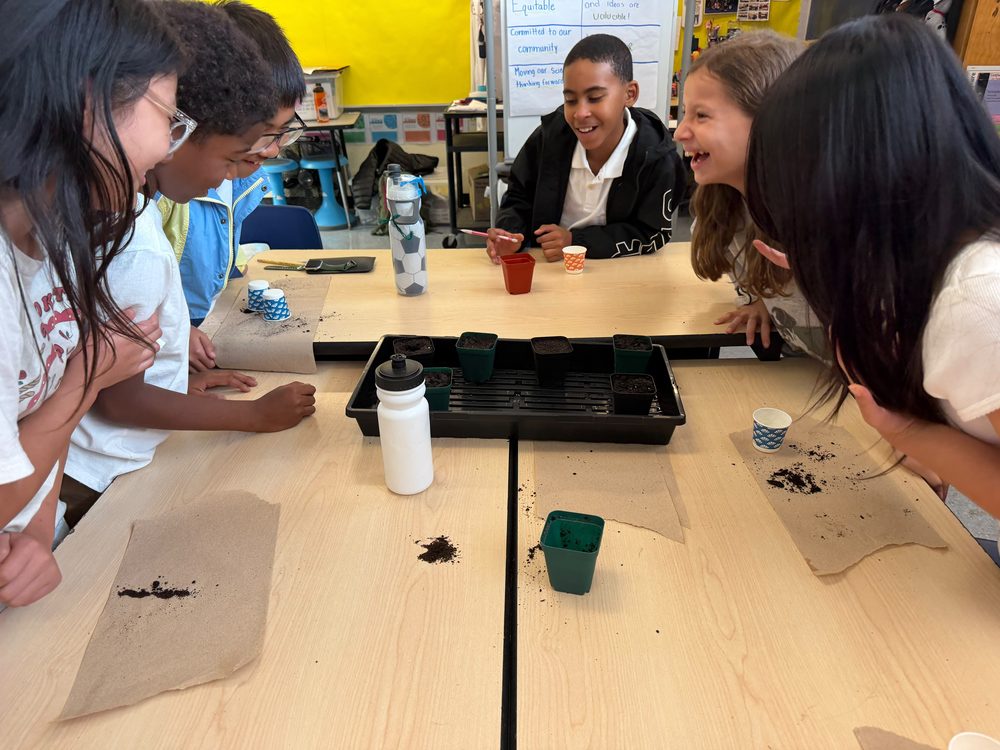
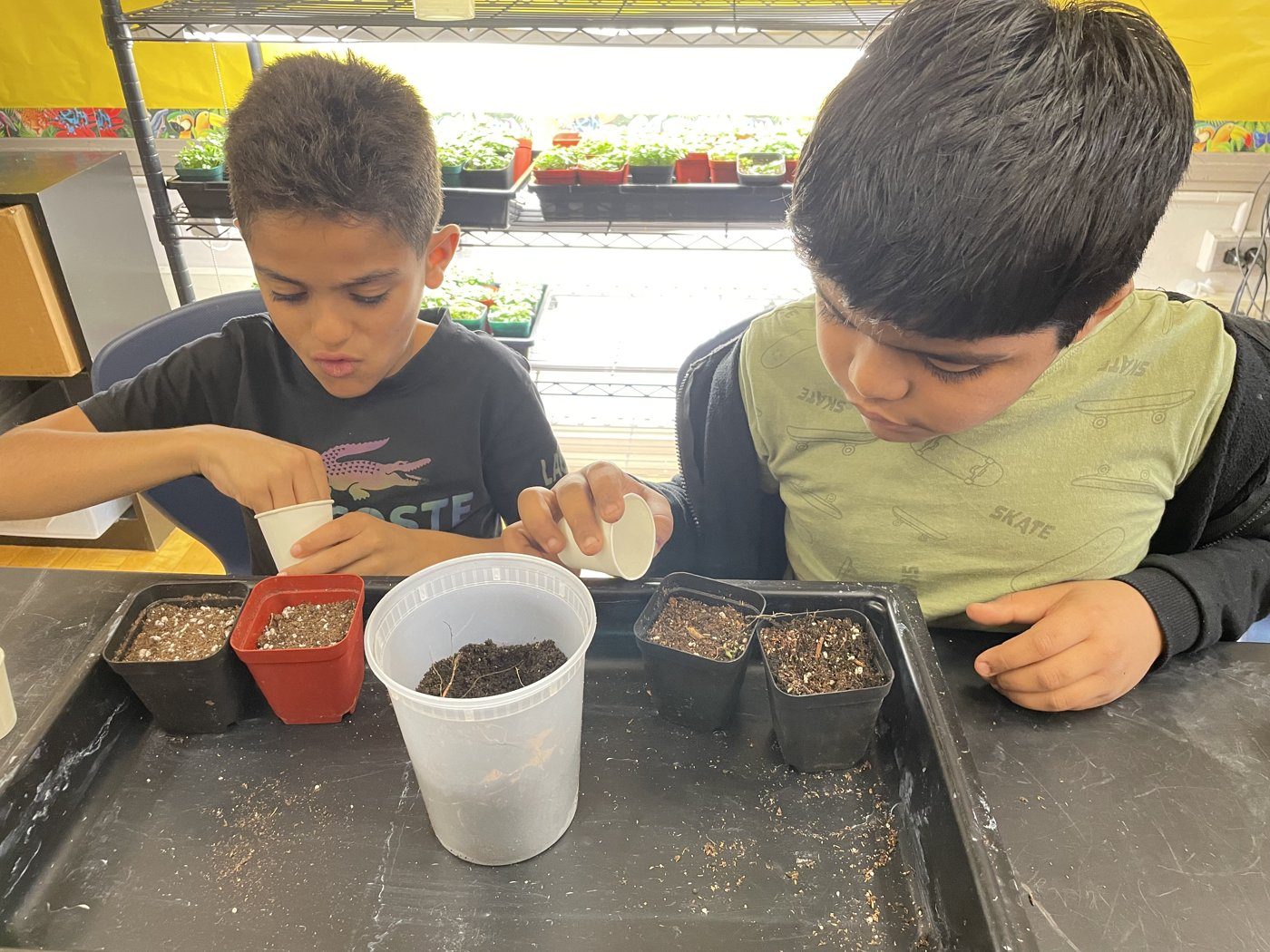
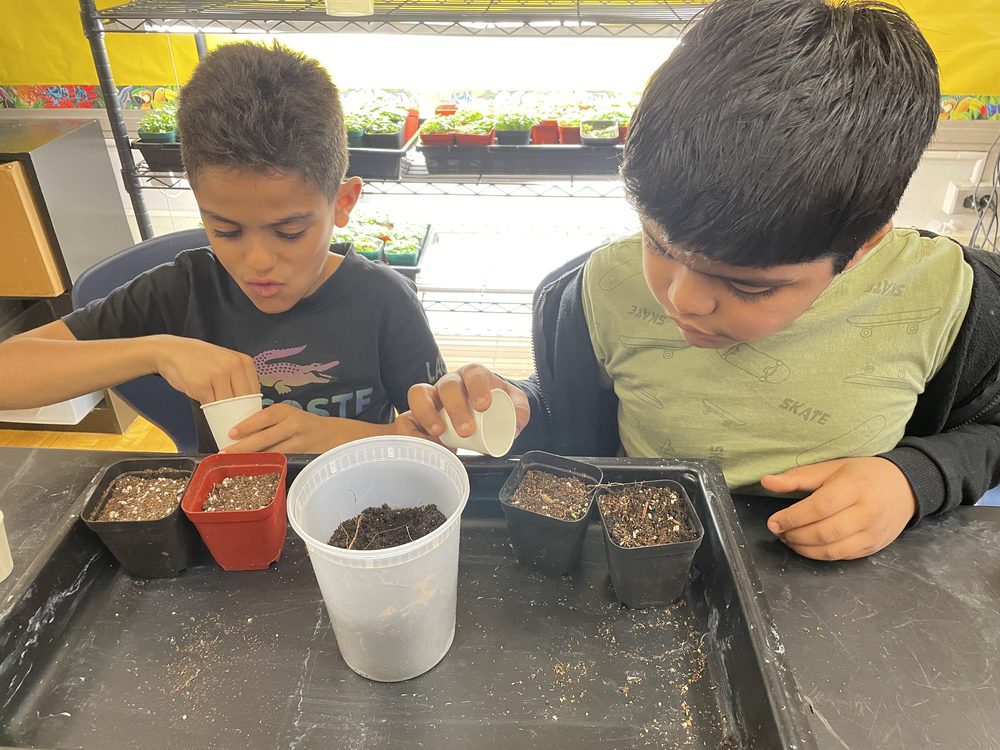
Two elementary students filling pots with soil and seed
Elementary

Life in the classroom

Real experiments with something students can touch, measure and take ownership of. Nutrition education stops being a worksheet when they are eating greens they grew. A new crop every week keeps attention high from planting to harvest.
  • Hands-on science
  • Real nutrition
  • Ownership
  • Fast results
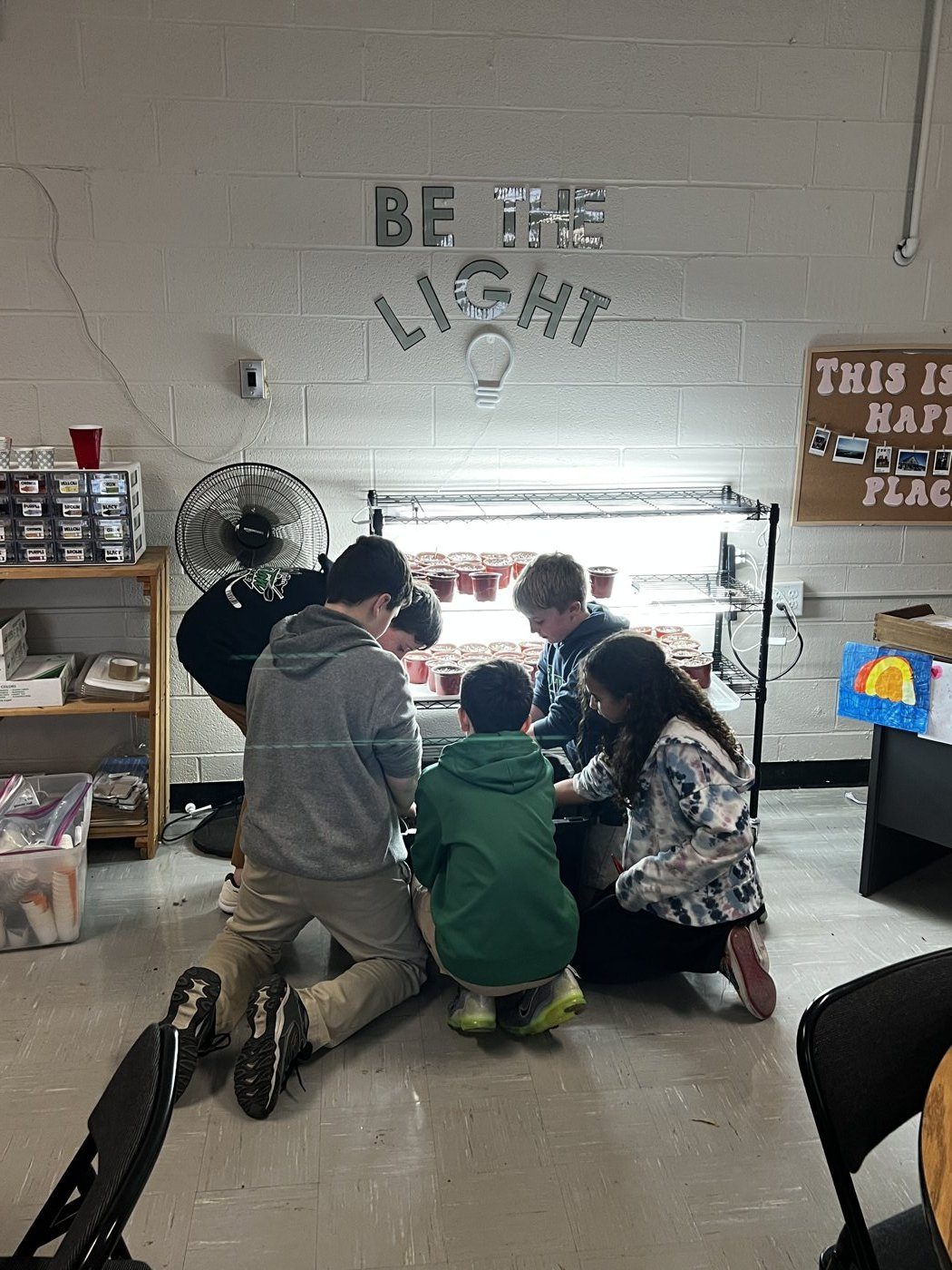
Students gathered around the lit grow rack checking on their plants
Middle school

Real-world problems, real responsibility

Students work as a team to keep something alive and find out they can do more than they thought. The same tray opens into systems thinking, the food system, food insecurity and nutrition issues, with extensions that give sixth graders and up the complexity they can handle.

  • Collaboration
  • Systems thinking
  • Food justice
  • Self-empowerment
Fits your schedule

Use as much or as little of it as you want

Every school runs it differently. Some teachers want a grow lab and freedom. Others want every lesson planned.

Your way

Just the grow lab

Your teachers take the rack, seeds and lights and build their own unit around them. We are a phone call away if they need us.

15 minutes a week
Mix and match

Pick from the planner

Choose the activities that fit your goals, from plant science to nutrition to reflection, and weave them into what you already teach.

15 minutes to 2 hours a week
Ready to teach

Pre-set curriculum

Four weeks of lessons designed for you, standards-aligned and ready to print. Your teachers do not have to plan a thing.

45 minutes a week
50+ standards-aligned activitiesChoose the ones that fit your grade and goals.
No experience neededA short walkthrough is all it takes, and we are a phone call away.
Curricular or co-curricularScience class, advisory, an elective or an after-school club.
Why teachers love it

Built to be easy

Easy to set up

Delivered to your door and simple to set up, with a step-by-step guide and video to walk you through it.

Minimal training

A short walkthrough is all it takes. No growing experience needed.

Curriculum built for you

Online scaffolding and standards-aligned lessons we build, ready to teach.

Support by phone

Stuck on anything? Call us. A real person picks up.

Small footprint

One tidy rack. No outdoor space, no plumbing, fits any classroom.

Fast results, low burden

A four-week arc, a few minutes of care a day, a harvest they can eat.

Students in action

See it in a real classroom

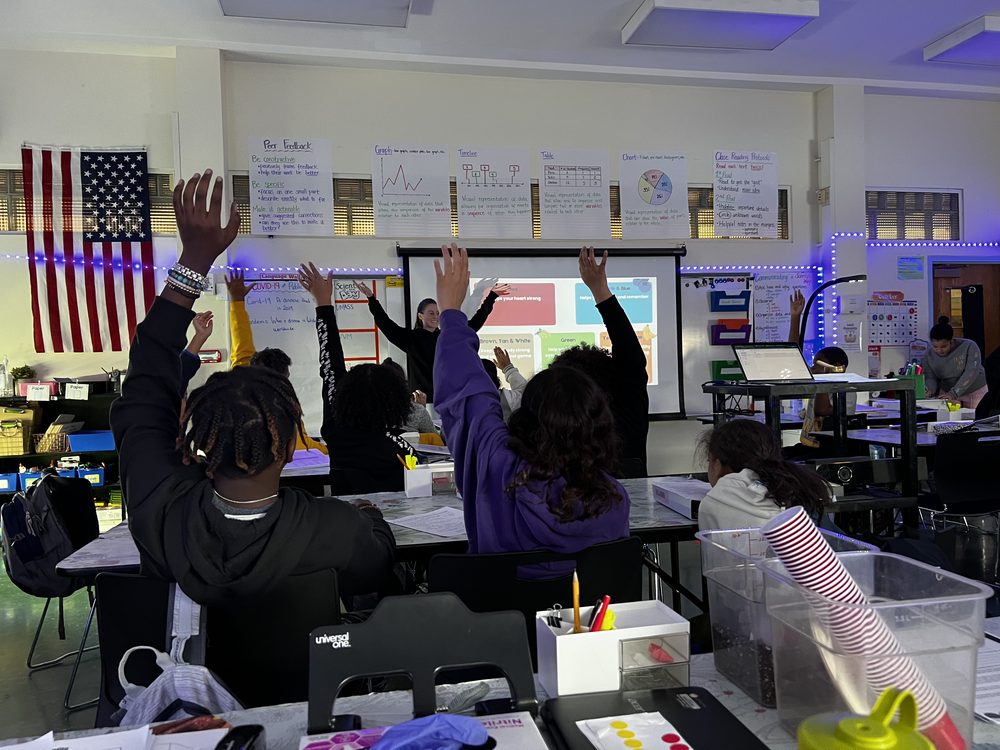
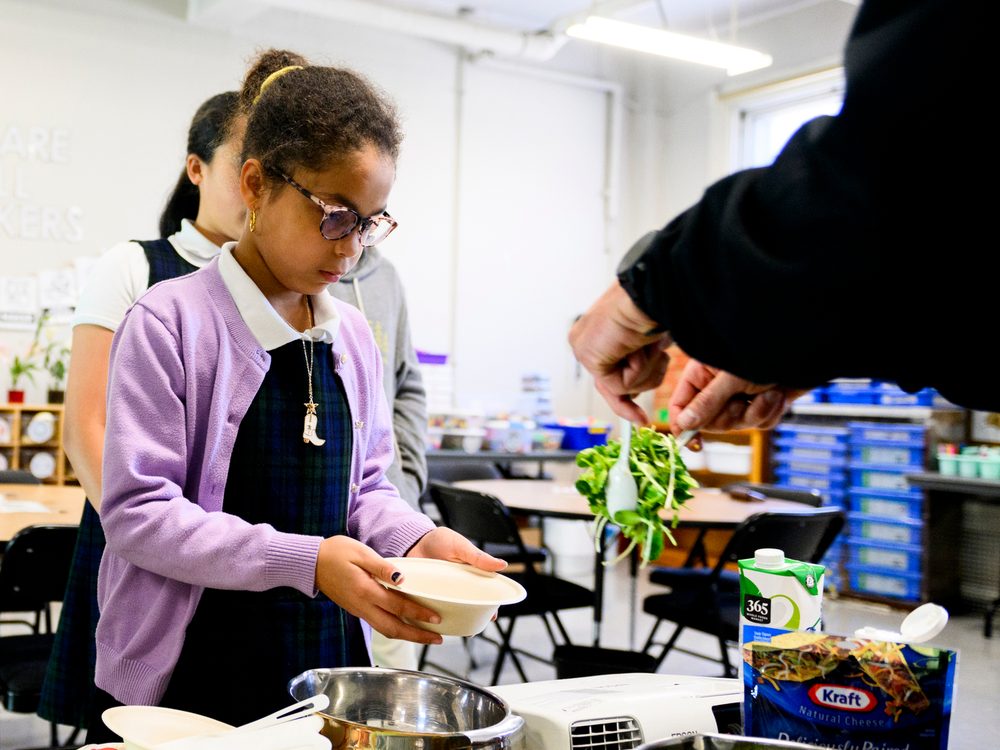
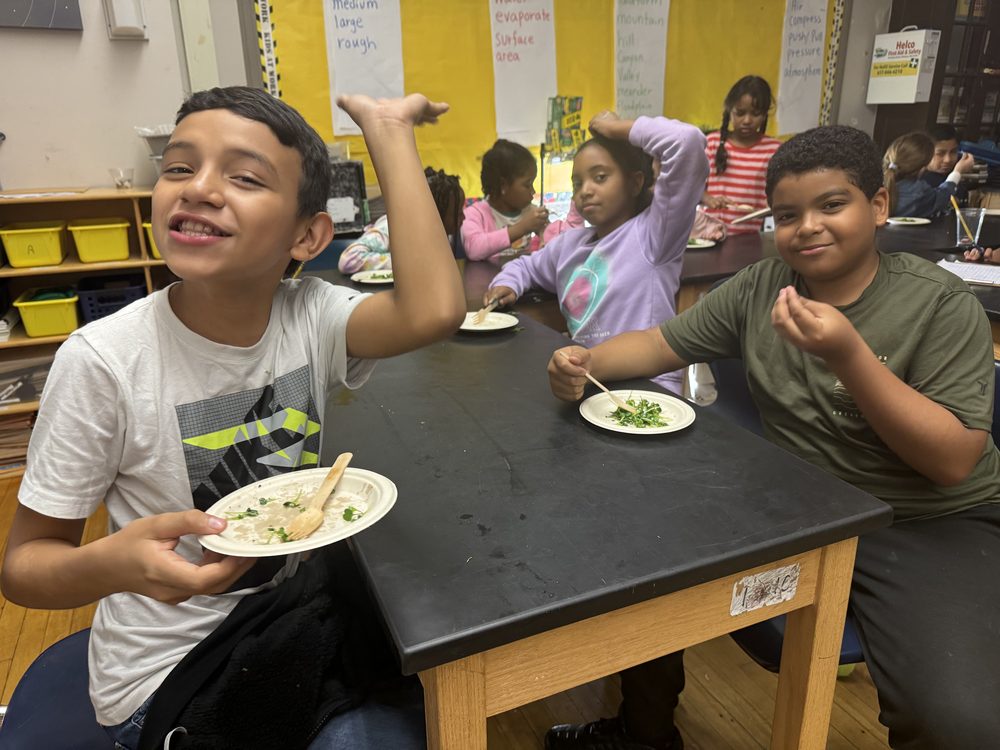
Two students planting seeds in cups at their tableA group of students planting seeds together around a tableA classroom grow rack full of young greens under grow lightsTwo students tending the greens they are growingA close-up of young greens growing in a classroom trayStudents raising their hands during a lively classroom lessonA student harvesting greens with scissorsA student serving the greens she grew onto a plateA student smiling after tasting the greens he grew
The money question, answered

One grow lab, one simple decision

A complete grow lab is $1,000, and it covers a full program cycle for up to 84 students, about $12 each. Three or four classrooms can share one, and larger schools can add a second lab.

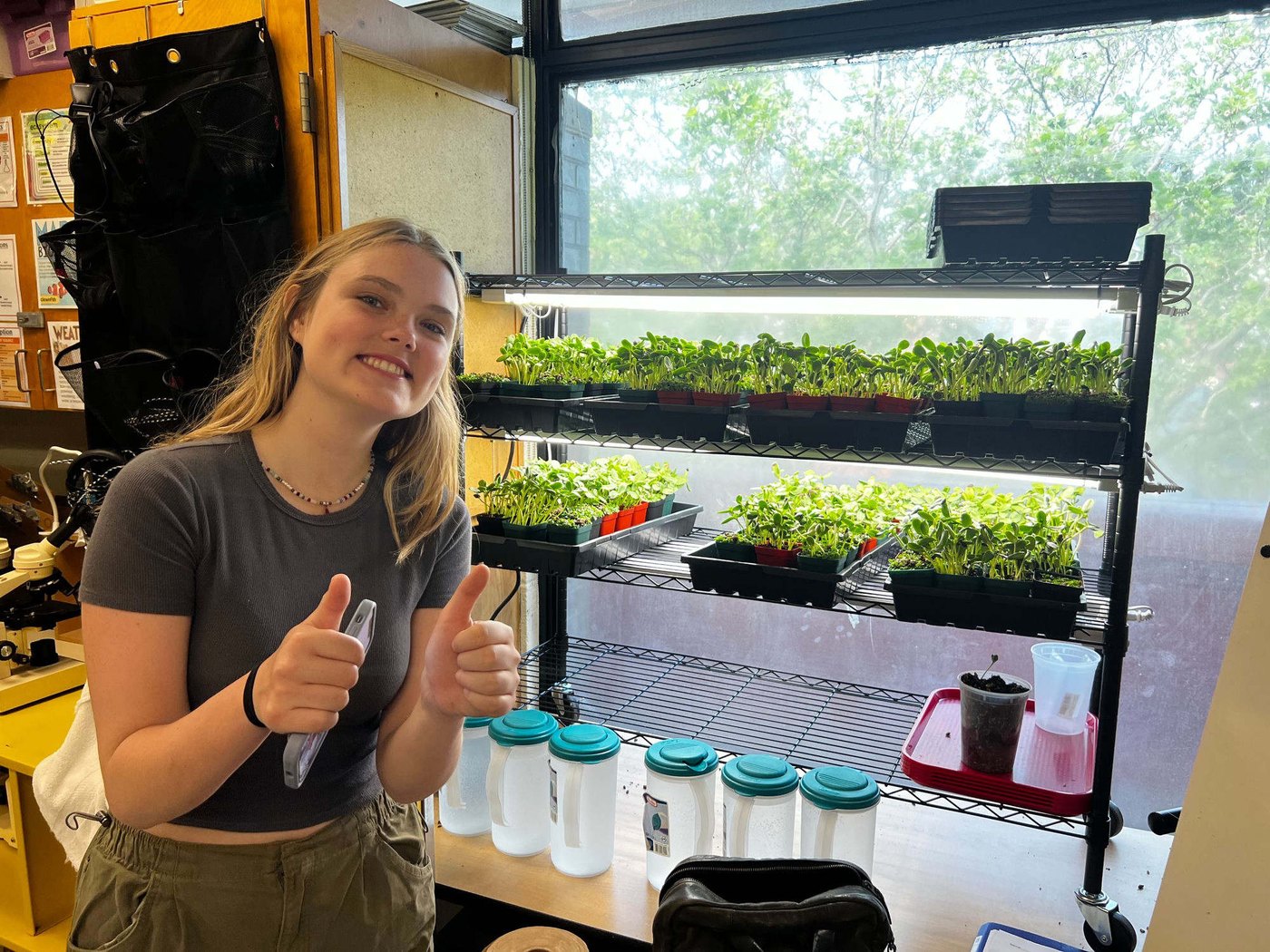
A BYFP teacher giving a thumbs up next to a thriving classroom grow rack
One grow lab
$1,000
  • Rack, lights, trays and timer
  • Seeds and growing medium for your first season
  • Setup guide, grow-along videos and a real person on the phone
  • Unlimited access to the lesson planner and curriculum builder

The rack is yours to keep. To grow again, reload seeds and soil for about $4 per student — from us or on your own.

What’s in the box
From Boston classrooms

Teachers who've run it

“

They now have knowledge of how food is grown, transported and all the resources needed to produce a single dinner.

Kristi LockeScience Teacher, Richard J. Murphy School
“

Most of all, they loved to eat the microgreens. I wish we had more of these experiences for more students.

Sook YeoScience Teacher, Edison K-8 School
“

Oliver and his team bring real urban-farming expertise to our faculty and students, growing produce from seed right in our STEM classroom.

Denise MoriartyAssistant Vice Principal, South Boston Catholic Academy
“

There’s nothing like getting your hands dirty, nurturing a young plant, and then getting to eat it.

Alex ClarkScience Teacher, Paul A. Dever School

Since 2022, our team has run the program in 16 Boston schools.

4,000+students reached
97%first-time vegetable growers
92%want to grow something at home
100%of partner schools ask us back
Why we do this

Most students have never seen their food grow.

We think that’s worth fixing, not with a worksheet, but with a tray of seeds on their own desk. Boston Youth Farm Project is a 501(c)(3) nonprofit. We started by teaching in Boston classrooms ourselves, and still do, in a small number of schools each term. What we learned there is what makes the grow lab work in your hands.

Our story
Harvard Innovation LabsMember of the iLab Climate Circle
Harvard Graduate School of EducationPitch competition winner, founded by an HGSE graduate
Boston based nonprofit501(c)(3), working in Boston schools since 2022

Ready to start?

Get a grow lab into your classroom this term, we'll help you fund it.